The Importance of the Danube River in Eastern Europe
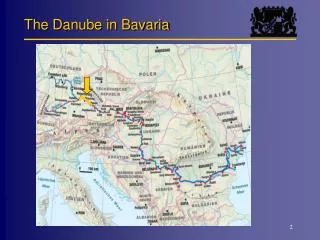
The Danube, the second-longest river in Europe, flows approximately 1,770 miles through several Eastern European countries, including Germany, Austria, Slovakia, Hungary, and more. It is vital for trade and transportation, connecting numerous cities like Budapest and Belgrade. The river not only serves as a critical waterway for shipping and travel but also supports diverse ecosystems and provides water for agriculture. Additionally, the Danube has cultural significance, famously represented by the waltz "The Blue Danube," highlighting its role in shaping the region’s heritage.

The Importance of the Danube River in Eastern Europe
E N D
Presentation Transcript
The Danube The Danube, the second-longest river in Europe, flows through much of Eastern Europe. It rises in Germany, then flows about 1,770 miles through Austria, Slovakia, Hungary, Serbia, Croatia, Bosnia and Herzegovina, Slovenia, Bulgaria, Romania and the Ukraine. The Eastern European cities of Belgrade, Braila, Bratislava, Budapest and Galati are all on the Danube. The river is the subject of a famous waltz, The Blue Danube. What factors make the Danube so important? Write a clear paragraph about the river, explaining its importance in Eastern Europe.