Download

1 / 10
100 likes | 197 Vues
Discover the fundamental concepts of electrostatics, including the atom and subatomic particle charges, conductors, insulators, and charging methods. Engage in engaging demonstrations with various materials to observe how objects can be charged and how charged particles interact. Explore the Triboelectric Series to understand how different materials charge. Learn about charge by contact, polarization, induction, and the forces between charges. Extend your learning with hands-on activities like the Van de Graaff Generator Lab and reflection problems.

E N D
Section 1: The Atom and Charging Subatomic Particle Charges e: p: n:
Conductors: Demos: Find materials in the room that are conductors Line up washer and charge with high voltage Charge distilled water, city water and Gadorate Pass charge through bike tire Insulators: Demos: Place a charge on a balloon and notice charge location. Have students charge a letter and then do the same. Ask how a copier works. Use VDG to see of charge Is confined to areas
Ways to Charge an object 1) Charge by Contact or (friction):___________________________________
Triboelectric Series: A List that ranks materials according to how well they charge either (+) or (-). (refer to hand out) • + POSITIVE END OF SERIES (materials with lower work function) • asbestos • glass • nylon • wool • lead • silk • aluminum • paper • cotton • steel • hard rubber • nickel & copper • brass & silver • synthetic rubber • orlon • saran • polyethylene • teflon • silicone rubber • - NEGATIVE END OF SERIES (materials with higher work function)
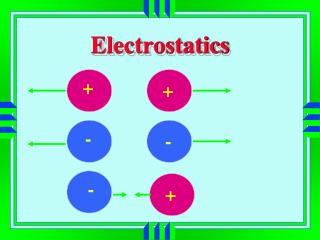
Charge by Polarization: Force between Charges: Demo: Have students hold balloons with charge to eachother. Electrons and Electrons:_________ Protons and Protons:____________ Electrons and Protons:___________
Extension Activities: Pie Pan Activity: 1) Describe How to make the aluminum ball bounce back and forth when you touch the ball. 2) Describe why the aluminum ball bounces back and forth when you touch it.
Extension Activities Continue Van de Graaf Generator Lab Text Reflection Problems