Exploring Utilitarianism Through Batman and The Dark Knight
The Dark Knight marks the beginning of a successful Batman franchise, grossing over $500 million. This sequel introduces key characters like Batman, Alfred, and Rachel Dawes while engaging with complex themes such as utilitarianism, introduced by Jeremy Bentham. This ethical doctrine stresses achieving the greatest happiness for the greatest number, raising questions of morality through scenarios like the Trolley Problem. This exploration contrasts utilitarianism with Kantianism, which argues for moral absolutes. Together, they provoke thought on justice, vengeance, and ethical dilemmas faced in real-life decisions.
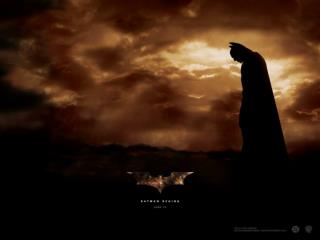

Exploring Utilitarianism Through Batman and The Dark Knight
E N D
Presentation Transcript
A Few Quick Facts… • Marks the beginning of what looks to be a highly successful franchise • The sequel, The Dark Knight, is the second highest grossing film of all time, coming in at over $500 million. • Basic plot…
Meet the Characters • Batman/Bruce Wayne • Alfred • Rachel Dawes • Lucius Fox • Ra’s al Ghul • Scarecrow
Utilitarianism • Early models developed by Jeremy Bentham • The goal is to provide the greatest happiness for the greatest number. • An ethical doctrine saying essentially that the ends justify the means.
Utilitarianism • How does this apply to us? • The Trolley Problem • 1945
Utilitarianism vs. Kantianism • Both are at opposite ends of the spectrum • Kantianism states that some things are inherently wrong, that there are moral absolutes • Utilitarianism states the opposite, noting that what could be right in one case is wrong in another. • Problems with utilitarianism • False dilemma • Justification • Practicality • Justice & Vengeance