Prepare for the Unexpected: Essential Emergency Planning and Survival Tips
In an unpredictable world, being prepared for disasters is crucial. From natural events like floods and earthquakes to man-made crises such as terrorist attacks, we face potential disruptions to food, water, and electricity. This guide provides vital information on types of disasters, staying informed, making a personalized emergency plan, and building a basic disaster supplies kit. Ensure you and your family are ready to face challenges ahead with essential supplies, communication strategies, and considerations for specific needs.

Prepare for the Unexpected: Essential Emergency Planning and Survival Tips
E N D
Presentation Transcript
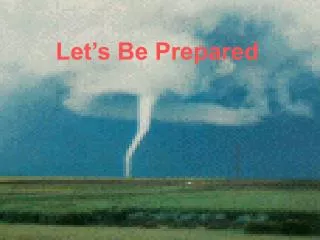
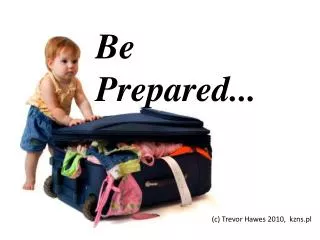
Be Prepared By: Lyssa De La O
Why Prepare? • Difficult/no access to food, water, and electricity • May last days, weeks, or longer. • No light • No communication
Types of Disasters • Flood • Earthquake • Drought • Fires • Oil Spills • Extreme Cold • Extreme Heat • Hurricanes • Tornados • Thunderstorms • Lightning • Land slides • Volcanoes • Tsunami • Wildfires* • Home Fires* • Terrorist Hazards • War
Stay Informed • Weather, news, radio • Know the emergency plans at: -work, daycare and school, faith organizations, sports events and commuting.
Make a Plan • Plan for your risks • Special Considerations (babies, kids, elderly, pets, allergies, medicine, languages, religion, culture)
Build a Kit • BASIC DISASTER SUPPLIES KIT • Water-1 gallon of water per person per day for at least three days, for drinking and sanitation • Food- least a three-day supply of non-perishable food • Battery-powered or hand crank radio • Flashlight and extra batteries • First aid kit • Whistle to signal for help • Dust mask to help filter contaminated air • Moist towelettes, garbage bags and plastic ties for personal sanitation • Wrench or pliers to turn off utilities • Manual can opener for food • Local maps • Cell phone with chargers, inverter or solar charger • Documents • *Other Tips* • Maintain your Kit(s) • Store it in a convenient place • Check your car for all necessities • Know how to manage water
Sources • www.ready.gov • http://www.fema.gov/pdf/library/f&web.pdf