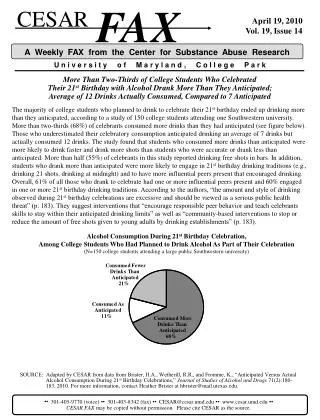
Youth Emergency Department Visits for Drug-Related Suicide Attempts: Key Findings from 2008
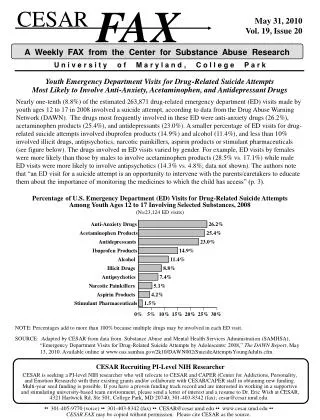
A study from DAWN reveals that nearly 8.8% of youth emergency department visits (ages 12-17) in 2008 were for drug-related suicide attempts. The most involved substances were anti-anxiety drugs (26.2%), acetaminophen (25.4%), and antidepressants (23.0%). Gender differences were noted, with females more likely to use acetaminophen and males more likely to use antipsychotics. These findings present a critical opportunity to educate parents about monitoring the medications accessible to their children, emphasizing the need for preventive measures in youth mental health.

Youth Emergency Department Visits for Drug-Related Suicide Attempts: Key Findings from 2008
E N D
Presentation Transcript
FAX CESAR May 31, 2010 Vol. 19, Issue 20 A Weekly FAX from the Center for Substance Abuse Research U n i v e r s i t y o f M a r y l a n d , C o l l e g e P a r k Youth Emergency Department Visits for Drug-Related Suicide Attempts Most Likely to Involve Anti-Anxiety, Acetaminophen, and Antidepressant Drugs Nearly one-tenth (8.8%) of the estimated 263,871 drug-related emergency department (ED) visits made by youth ages 12 to 17 in 2008 involved a suicide attempt, according to data from the Drug Abuse Warning Network (DAWN). The drugs most frequently involved in these ED were anti-anxiety drugs (26.2%), acetaminophen products (25.4%), and antidepressants (23.0%). A smaller percentage of ED visits for drug-related suicide attempts involved ibuprofen products (14.9%) and alcohol (11.4%), and less than 10% involved illicit drugs, antipsychotics, narcotic painkillers, aspirin products or stimulant pharmaceuticals (see figure below). The drugs involved in ED visits varied by gender. For example, ED visits by females were more likely than those by males to involve acetaminophen products (28.5% vs. 17.1%) while male ED visits were more likely to involve antipsychotics (14.3% vs. 4.8%; data not shown). The authors note that “an ED visit for a suicide attempt is an opportunity to intervene with the parents/caretakers to educate them about the importance of monitoring the medicines to which the child has access” (p. 3). Percentage of U.S. Emergency Department (ED) Visits for Drug-Related Suicide Attempts Among Youth Ages 12 to 17 Involving Selected Substances, 2008 (N=23,124 ED visits) NOTE: Percentages add to more than 100% because multiple drugs may be involved in each ED visit. SOURCE: Adapted by CESAR from data from Substance Abuse and Mental Health Services Administration (SAMHSA), “Emergency Department Visits for Drug-Related Suicide Attempts by Adolescents: 2008,” The DAWN Report, May 13, 2010. Available online at www.oas.samhsa.gov/2k10/DAWN002/SuicideAttemptsYoungAdults.cfm. CESAR Recruiting PI-Level NIH Researcher CESAR is seeking a PI-level NIH researcher who will relocate to CESAR and CAPER (Center for Addictions, Personality, and Emotion Research) with their existing grants and/or collaborate with CESAR/CAPER staff in obtaining new funding. Multi-year seed funding is possible. If you have a proven funding track record and are interested in working in a supportive and stimulating university-based team environment, please send a letter of interest and a resume to Dr. Eric Wish at CESAR, 4321 Hartwick Rd, Ste 501, College Park, MD 20740; 301-403-8342 (fax); cesar@cesar.umd.edu. 301-405-9770 (voice) 301-403-8342 (fax) CESAR@cesar.umd.edu www.cesar.umd.edu CESAR FAX may be copied without permission. Please cite CESAR as the source.