

SlideServe
Menu
Préférences
© SlideServe · v2026

Astronomy

jace avatar
6 diapositives · 291 Views · Jul 29, 2014

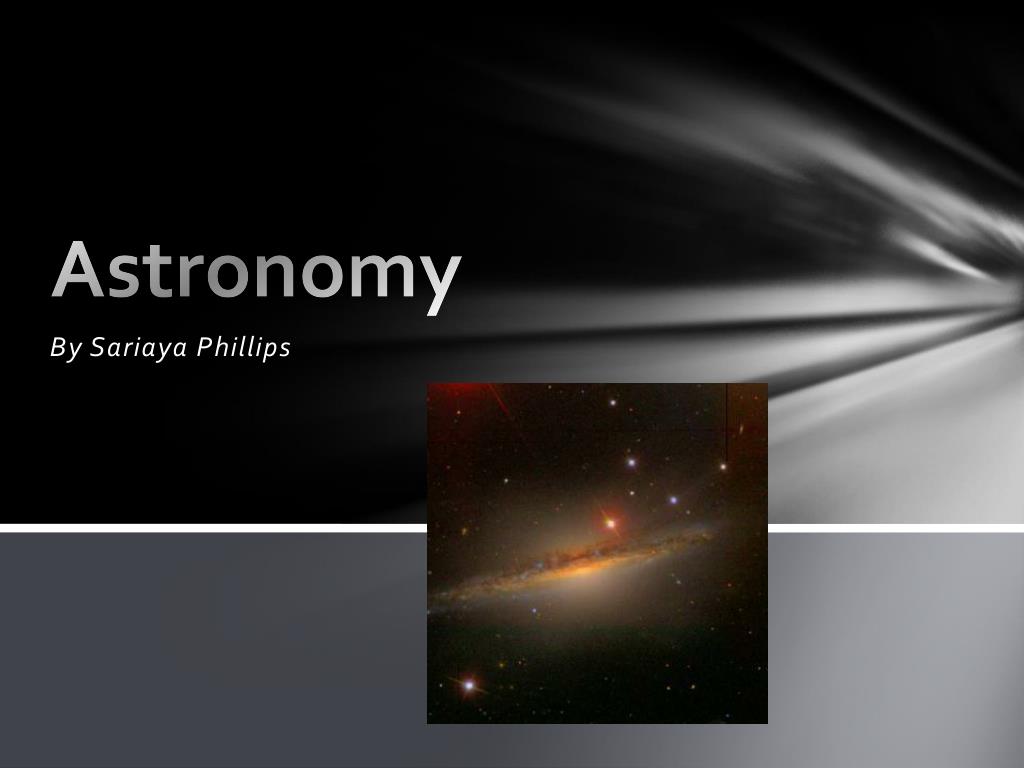
Astronomy. By Sariaya Phillips. Research Question. Are all galaxies alike in the universe ? *I investigated this question based upon the color variations of stars in galaxies. My new question became: Are all the galaxies in our sample the same color?. Methodology.
Astronomy - slide 1
01 / 6Astronomy
1 / 17

Télécharger la présentation

Astronomy
Une image / un lien ci-dessous est fourni (tel quel) pour télécharger la présentation

Politique de téléchargement : le contenu du site vous est fourni TEL QUEL pour votre information et votre usage personnel ; il ne peut être vendu, concédé sous licence ni partagé sur d’autres sites sans l’accord de son auteur.Le contenu vous est fourni TEL QUEL, pour votre information et votre usage personnel uniquement. Téléchargez la présentation en cliquant sur ce lien. Lors du téléchargement, si vous ne parvenez pas à télécharger une présentation, l’éditeur a peut-être supprimé le fichier de son serveur.Pendant le téléchargement, si vous ne parvenez pas à obtenir une présentation, le fichier a peut-être été supprimé par l’éditeur.

F I N

Plus de contenu associé

Transcription de la présentation
  1. Astronomy By Sariaya Phillips

  2. Research Question • Are all galaxies alike in the universe? • *I investigated this question based upon the color variations of stars in galaxies. • My new question became: Are all the galaxies in our sample the same color?

  3. Methodology • Methods used to figuring out the answer - I used the SDSS sky server website and collected data about galaxies in space. • Specific information that needed to be found consisted of the following: (RA, DEC) , petraRad_r, modelMag_r, Z by spectra, Z error, Classification type, the U and R, and the U-R calculations. • I spilt up the U-R measurements into bins of 0.2 and counted the galaxies in each of the bins, making a histogram of the data collected.

  4. Data • *If the U-R number is higher then 2.2 the galaxy is redder and if the number is lower then 2.2 then it is bluer. • *2.2 is the dividing line in galaxy color between red and blue.

  5. Analysis • I found out that not all the galaxy colors are the same in the class sample of 269. I also found out that there were more red galaxies than blue.

  6. Conclusion • In conclusion based upon the data collected not all galaxies are the same in the universe. Each galaxy contains different colors of stars. Some have a lot more red and less blue, 169 red galaxies compared to 105 blue galaxies to be exact from the class sample. There are more red galaxies/stars, because they are cooler which means they live longer. This is like a marathon runner versus a sprinter. A sprinter is similar to a blue star and a distance runner is similar to a red star. A sprinter burns energy faster like a blue star and the distance runner goes through the energy slower such as a red star. As a result, because blue stars die faster you are left with more red stars so the galaxy looks more red.