Download
1 / 7
70 likes | 172 Vues
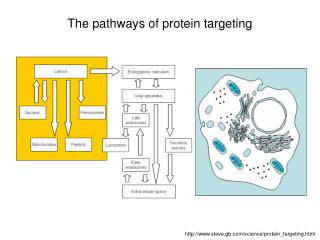
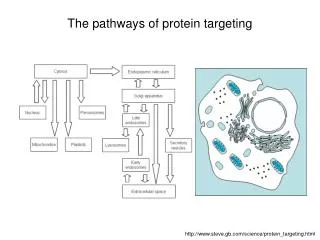
This overview highlights the intricate mechanisms of antigen processing, focusing on the pathways associated with MHC Class I and Class II molecules. It details the composition and functions of antigen-presenting cells (APCs), including dendritic cells, macrophages, and B cells. The text discusses the sources of antigens, the enzymes responsible for peptide degradation, and the transporters involved in loading peptides onto MHC molecules. Additionally, it examines the roles of CD4+ and CD8+ T cells, as well as viral strategies for immune evasion.

E N D
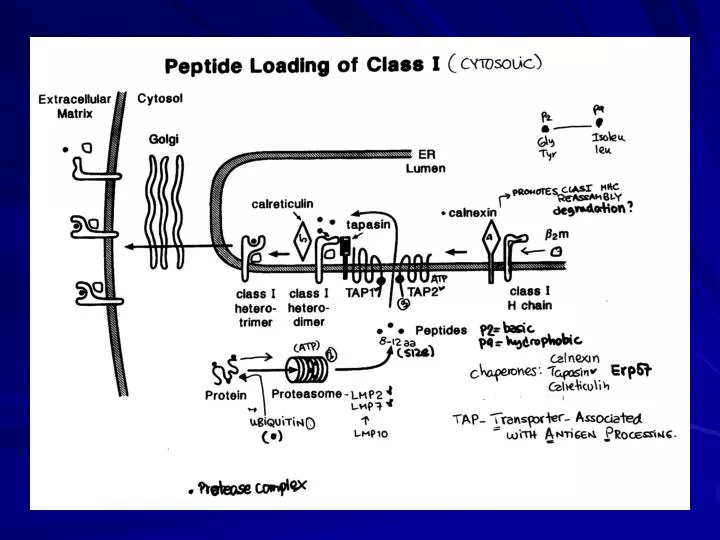
Features of the pathways of Ag processing Feature Class II MHC Pathway Class I MHC Pathway Composition of MHC Types of APC Responsive T cell Source of Ags Enzymes responsible For peptide degradation Molecules involved in Transport of peptides and Loading of MHC molecules
Features of the pathways of Ag processing Feature Class II MHC Pathway Class I MHC Pathway Composition alpha/beta chains alpha/beta 2-m of MHC Types of APC DC, MO, B cells (endothelial) All nucleated Responsive T cell CD4 T cells CD8 T cells Source of Ags Exogenous Endogenous Enzymes responsible Endosomal and lysosomal Cytosolic For peptide degradation proteases proteasome Molecules involved in Transport of peptides and Invariant chain (Ii), HLA-DM TAP Loading of MHC molecules
Kuby Figure 8-8 Viral immune evasion