Understanding Homeostasis and Human Body Systems
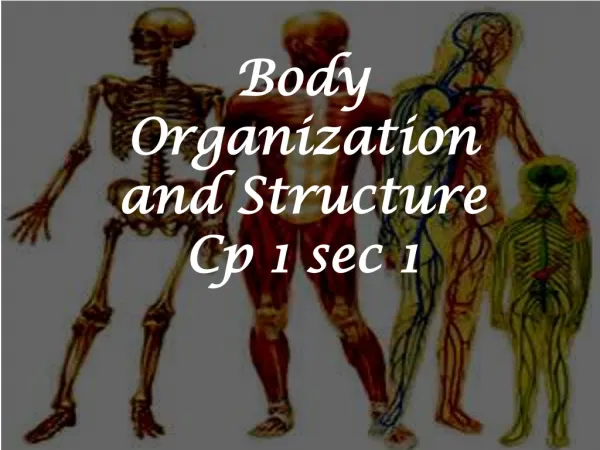
The human body maintains a stable internal environment through homeostasis. When disrupted, cells may suffer or die. Different groups of cells form tissues, categorized into four types: epithelial, muscle, nervous, and connective tissue. Tissues combine to create organs, and multiple organs work together to form organ systems. The 11 major organ systems include: integumentary, muscular, skeletal, cardiovascular, respiratory, urinary, reproductive, nervous, lymphatic, digestive, and endocrine. Each system plays a critical role in the body’s function and health.

Understanding Homeostasis and Human Body Systems
E N D
Presentation Transcript
HOMEOSTASIS The human body’s maintenance of a stable internal environment. If homeostasis is interrupted, cells suffer and sometimes die. My Beloved Cells I will miss you!
Groups of cells working together form a TISSUE There are 4 types of tissues:
EPITHELIAL TISSUE Covers and protects underlying tissue. When you look at the surface of your skin, you see epithelial tissue
MUSCLE TISSUE Made up of cells that can contract and relax to produce movement
NERVOUS TISSUE Sends electrical signals through the body. It is found in the brain, nerves and sense organs.
CONNECTIVE TISSUE Joins, supports, protects, insulates, nourishes, and cushions organs. It also keeps organs from falling apart.
TISSUE + TISSUE= ORGAN Two or more tissues working together, form an organ One type of tissue alone cannot do all of the things that several types working together can do.
ORGAN + ORGAN = ORGAN SYSTEM Organs working together make up anorgan system. The failure of any part can affect the entire system
11 MAJOR ORGAN SYSTEMS Integumentary system Muscular system Skeletal system Cardiovascular system Respiratory system Urinary system Reproductive system. Nervous system Lymphatic system Digestive system Endocrine system
Integumentary System Includes skin, hair, nails and their underlyingtissues
Muscular System Skeletal muscles move bones.
Skeletal System Bones frame and protect body parts.
Cardiovascular System The heart pumps blood through blood vessels.
Respiratory System Lungs absorb oxygen and release carbon dioxide.
Urinary System` Removes wastes from theblood and regulates body fluids.
ReproductiveSystem Females produces eggs, feed/shelter unborn baby- males produce sperm.
Nervous System Receives and sends electrical messages.
Lymphatic System Returns leaked fluids to blood vessels and helps flush harmful germs out.
Digestive System Breaks down food into nutrients.
Endocrine System Glands regulate body functions by sending out chemical messages.