Enhancing Adaptation Financing for Climate Resilience: Insights from Saleemul Huq
120 likes | 231 Vues
This document delves into the critical nature of adaptation funding post-2012, highlighting key issues and existing funding avenues under the UNFCCC and external sources. It discusses the financial needs for climate adaptation, emphasizing the necessity for sustained capacity building to support international negotiations. Insights from Saleemul Huq, a Senior Fellow at the International Institute for Environment and Development, shed light on the distinct funding challenges faced by vulnerable countries and communities, and proposes potential sources and channels for effective funding mechanisms.


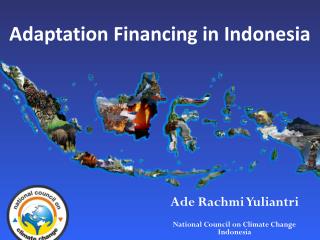
Enhancing Adaptation Financing for Climate Resilience: Insights from Saleemul Huq
E N D
Presentation Transcript
ecbi european capacity building initiative initiative européenne de renforcement des capacités Adaptation Financing post 2012 Some thoughts Saleemul Huq (Senior Fellow, Climate Change Group, International Institute for Environment and Development) for sustained capacity building in support of international climate change negotiations pour un renforcement durable des capacités en appui aux négociations internationales sur les changements climatiques
Contents • Nature of adaptation funding • Existing funding under the UNFCCC • Existing funding outside the UNFCCC • Key issues for funding for COP15 • Amounts needed • Potential Sources • Cannels of funding • Who and what to fund
Nature of adaptation funding • Different from mitigation • Already has history in UNFCCC • Mainly public sector (very little role for private sector) • Focus on most vulnerable countries, ecosystems and communities
Existing funding under UNFCCC • LDCF: For NAPAs in LDCs • SCCF: For all developing countries, adaptation projects only • AF: From adaptation levy on CDM • GEF/SPA: 50 Million pilot fund now ended
Existing funding outside UNFCCC • World Bank : PPCR • Bilaterals: DFID. DANIDA, SIDA, etc • EC: GCCA • Non-Govt: Foundations
Key issues for funding • Amounts needed • Potential sources • Channels of funding • Who and what to fund
Amounts needed • Various estimates: • World Bank: USD 10-40 B • UNFCCC: USD 28-67B • OXFAM: USD 80B • Martin Parry et al: Much higher
Potential sources • Various proposals • Norway: Levy on AAUs • G77:Assessed contributions from Annex 1 • LDC: IAPAL • Mexico: Contribution from all countries • Switzerland: Carbon tax
Channels for funding • Various proposal/options • Under UNFCCC with new body • Using existing bodies under UNFCCC • Using channels outside UNFCCC (e.g. WB) • Mixture of channels
What to fund • What? Various options/proposals: • Projects? • Programmes? • Countries?
Who to fund? • Various option: • Priority to LDCs • Priority to LDCS and SIDS • Priority to LDC, SIDS and Africa • Developing new list of vulnerable countries • All developing countries
Relationship of Adaptation funding to ODA • Various proposals: • Include Adaptation funding as part of ODA • Adaptation funding to be “new and additional” to ODA (above 0.7%) • Allow some (e.g. agreed percentage) of ODA to count towards adaptation funding obligations