Optimizing Website Speed and Performance in CBD Web Development.
In the fast-paced digital world, where users have increasingly high expectations, optimizing website speed and performance is crucial for the success of any online business. This is especially true in the context of CBD web development, where creating a seamless and efficient user experience is paramount. In this article, we will explore the various strategies and<br>best practices for optimizing website speed and performance in CBD website development, ensuring that your website not only meets user expectations but also achieves better search engine rankings.<br>

Optimizing Website Speed and Performance in CBD Web Development.
E N D
Presentation Transcript
Optimizing Website Speed and Performance in CBD Web Development In the fast-paced digital world, where users have increasingly high expectations, optimizing website speed and performance is crucial for the success of any online business. This is especially true in the context of CBD web development, where creating a seamless and efficient user experience is paramount. In this article, we will explore the various strategies and best practices for optimizing website speed and performance in CBD website development, ensuring that your website not only meets user expectations but also achieves better search engine rankings. 1. Introduction In the competitive landscape of CBD web development, a slow-loading website can significantly impact user engagement, conversion rates, and overall business success. Optimizing website speed and performance should be a top priority for CBD businesses looking to provide an exceptional user experience. 2. Importance of Website Speed and Performance Website speed and performance directly affect user satisfaction and engagement. Studies have shown that a delay of just a few seconds can lead to higher bounce rates and lower conversion rates. Additionally, search engines like Google consider website speed as a ranking factor, meaning that faster websites are more likely to rank higher in search results. 3. Analyzing Current Website Performance Before implementing any optimizations, it is essential to analyze your website's current performance. Several tools, such as Google PageSpeed Insights and GTmetrix, can provide
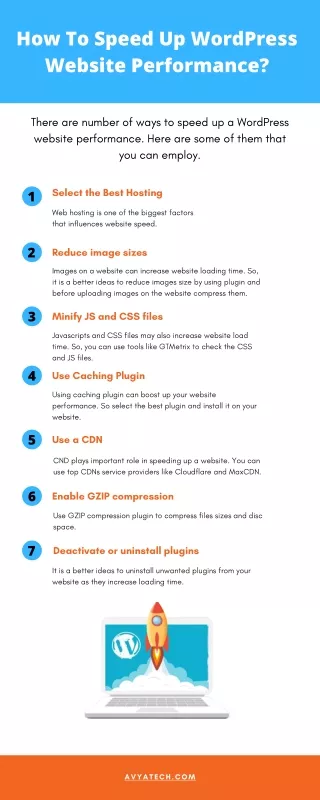
valuable insights into your website's speed and performance metrics. By identifying areas for improvement, you can create a targeted optimization strategy. 4. Minimizing HTTP Requests Reducing the number of HTTP requests is a proven way to improve website speed. Combining CSS and JavaScript files, optimizing code, and utilizing CSS sprites are effective techniques to minimize the number of requests your website makes to the server. 5. Optimizing Images Images often contribute to the majority of a website's page weight. Optimizing images by compressing them without sacrificing quality, using appropriate image formats, and implementing lazy loading techniques can significantly improve website speed. 6. Implementing Caching Mechanisms Caching mechanisms, such as browser caching and server-side caching, can dramatically reduce the load on your website's server and improve response times. By storing frequently accessed resources locally, subsequent requests can be served faster. 7. Enabling Compression Enabling compression techniques, such as GZIP compression, reduces the size of files sent from the server to the user's browser. This compression minimizes bandwidth usage and decreases the time it takes for the website to load. 8. Streamlining CSS and JavaScript Optimizing and minifying CSS and JavaScript files by removing unnecessary white spaces, comments, and unused code can significantly reduce file sizes. Smaller file sizes lead to faster downloads and improved website speed. 9. Prioritizing Above-the-Fold Content Loading critical content above the fold first ensures that users can see and interact with important elements quickly. By prioritizing above-the-fold content, you create a perception of faster load times and enhance the user experience.
10. Utilizing Content Delivery Networks (CDNs) Content Delivery Networks (CDNs) distribute your website's static assets across multiple servers worldwide, reducing the distance between the user and the server. This distributed approach improves website speed by delivering content from the server nearest to the user. 11. Reducing Server Response Time Optimizing server response time involves various factors such as upgrading server hardware, optimizing database queries, and using caching systems. By reducing the time it takes for the server to respond to requests, you can enhance overall website speed and performance. 12. Mobile Optimization With the increasing number of users accessing websites through mobile devices, optimizing your website for mobile is vital. Implementing responsive design, optimizing images for mobile devices, and reducing unnecessary elements can significantly improve mobile website speed. 13. Monitoring and Continuous Improvement Optimizing website speed and performance is an ongoing process. It is crucial to regularly monitor your website's performance using tools like Google Analytics and make iterative improvements based on user feedback and emerging technologies. 14. The Impact of Website Speed on SEO Website speed plays a crucial role in search engine optimization (SEO). Search engines like Google prioritize fast-loading websites, considering them as a positive user experience signal. By optimizing your website's speed and performance, you can improve your search engine rankings and organic traffic. 15. Conclusion In the competitive world of CBD web development, optimizing website speed and performance is essential for providing a seamless user experience, improving conversion rates, and boosting search engine rankings. By implementing the strategies and best practices discussed in this article, you can ensure that your CBD website performs at its best, attracting and retaining satisfied users.
FAQs (Frequently Asked Questions) 1. How does website speed impact user engagement? Website speed directly affects user engagement. Slow-loading websites lead to higher bounce rates and lower conversion rates, as users tend to lose interest and abandon the site. 2. Can optimizing website speed improve search engine rankings? Yes, search engines like Google consider website speed as a ranking factor. Faster websites are more likely to rank higher in search results, leading to increased visibility and organic traffic. 3. What tools can I use to analyze my website's speed and performance? There are several tools available for analyzing website speed and performance, such as Google PageSpeed Insights, GTmetrix, and Pingdom. These tools provide valuable insights and recommendations for optimization. 4. How can I optimize images for better website speed? You can optimize images by compressing them without compromising quality, using appropriate image formats (e.g., JPEG, PNG), and implementing lazy loading techniques to load images only when needed. 5. Why is mobile optimization important for website speed? Mobile optimization is crucial because an increasing number of users access websites through mobile devices. By optimizing your website for mobile, you ensure fast and smooth user experiences, leading to higher engagement and satisfaction.