SlideServe
Menu
Préférences
© SlideServe · v2026

Dogs and the allergies they are prone to

johnreynolds avatar
10 diapositives · 389 Views · Jun 11, 2015

Dogs are allergic to food, plants and some other animals. This Presentation gives us information about symptoms and things to which dogs are allergic to. Also it gives an idea about the treatment your dog should be given when allergic.
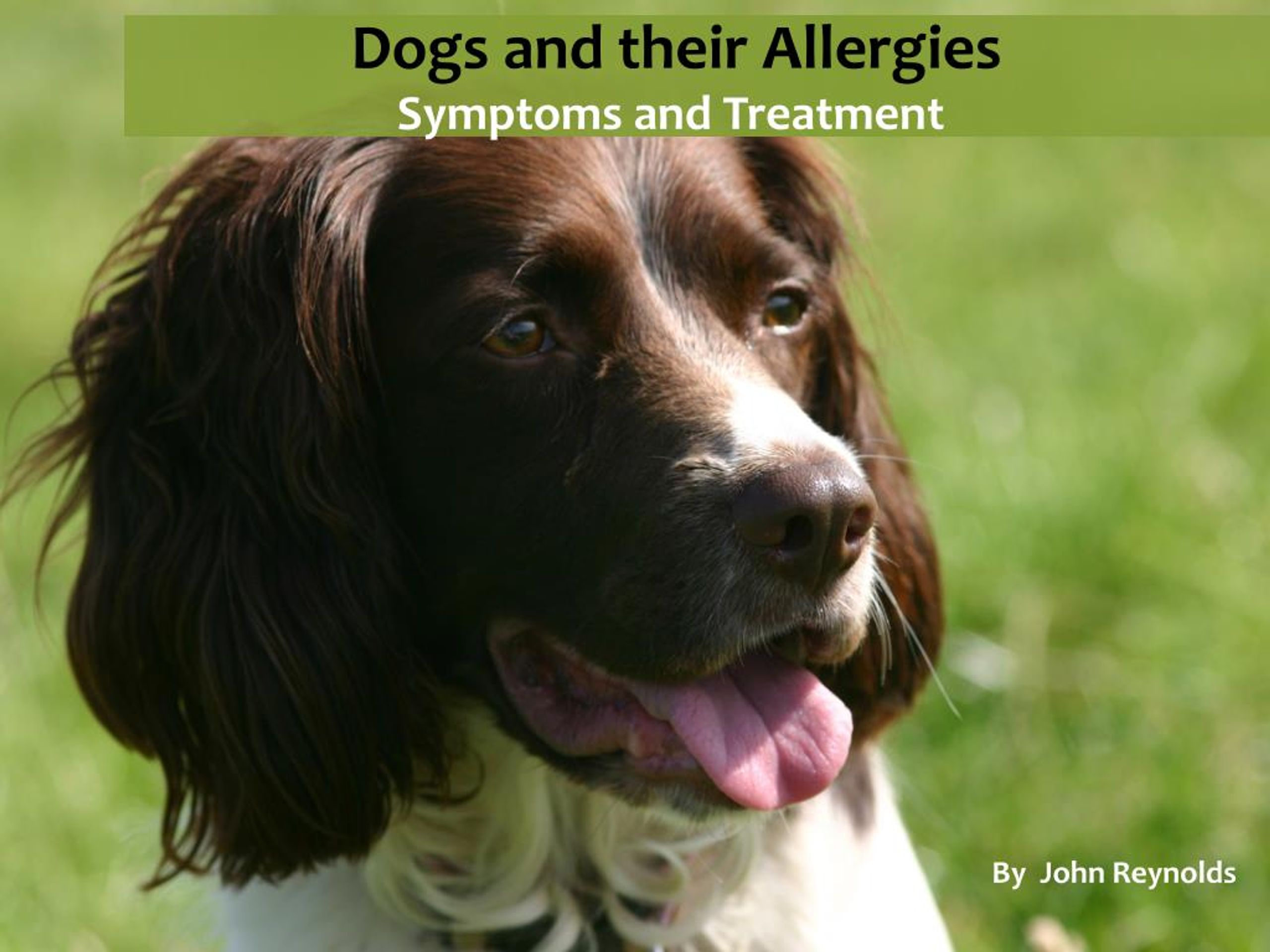
Dogs and the allergies they are prone to - slide 1
01 / 10Dogs and the allergies they are prone to
1 / 17

Télécharger la présentation

Dogs and the allergies they are prone to
Une image / un lien ci-dessous est fourni (tel quel) pour télécharger la présentation

Politique de téléchargement : le contenu du site vous est fourni TEL QUEL pour votre information et votre usage personnel ; il ne peut être vendu, concédé sous licence ni partagé sur d’autres sites sans l’accord de son auteur.Le contenu vous est fourni TEL QUEL, pour votre information et votre usage personnel uniquement. Téléchargez la présentation en cliquant sur ce lien. Lors du téléchargement, si vous ne parvenez pas à télécharger une présentation, l’éditeur a peut-être supprimé le fichier de son serveur.Pendant le téléchargement, si vous ne parvenez pas à obtenir une présentation, le fichier a peut-être été supprimé par l’éditeur.

F I N

Plus de contenu associé

Transcription de la présentation
  1. Dogs and their Allergies Symptoms and Treatment By John Reynolds

  2. Introduction • Just like humans, dogs are allergic to food, plants, and some types of other animals. • Allergies in dogs function the same as allergies in humans: • The body’s immune system is tasked with getting rid of bacteria and viruses. • Dogs can suddenly develop allergies to things like fur or pollens. • It is very difficult to find out whether dog is prone to allergies before they occur. Read on for some symptoms of dog allergies…

  3. Common Things Dogs are Allergic To… • Dogs can be allergic to plants, trees, and grass pollens. • Dogs can also be allergic to foods, including chicken, soy, beef, and wheat. • Dogs are often allergic to cigarette smoke, mold, cleaning products, fabrics, and plastics. • It is difficult to identify a particular thing your dog might be allergic to. • Since a dog cannot talk, a dog may never be able to communicate about its allergies. This makes it difficult to realize what makes your dog feel better and what disturbs him.

  4. Symptoms of Dog Allergies Some symptoms observed in dogs with allergies include: • Red Eyes • Skin Inflammation • Itchy Skin • Ear Infections • Sneezing • Swollen Paws • Diarrhea or vomiting (in case of food allergies) • Breathing Issues

  5. Symptoms of Dog Allergies • When dogs are allergic to pollens, they often lick, bite and scratch themselves. • When pollen falls on body, it is absorbed into the skin. • Extreme allergy responses may lead to hair loss and ear infections.

  6. Treating Allergies in Dogs • If your dog is allergic to any substance, then you need to find ways to keep him away from the irritant. • Dogs with allergies to pollens can may need additional precautions, since pollen is very pervasive. • Give your dog a weekly bath to help remove allergens from his body. • Clean his bed regularly to keep his home environment clean.

  7. Treating Allergies in Dogs • To prevent your dog from becoming prone to allergies, there are natural supplements like EcoBalance Anti-Allergy Liquid Concentrate that have been manufactured to help deal with dog allergies. • Saturate your pet’s fur with a topical spray that contains oatmeal extracts and aloe. • Give your dog fish oil caplets, which decreases inflammation. • Wipe your dog’s paws with towel to remove pollen and dander.

  8. This natural medicine can be added to your dog food. EcoBalance contains herbal ingredients to support your dog’s immune system. Helps to ease your dog’s stressors in a safe and natural way. EcoBalance Anti-Allergy Liquid Concentrate For Dogs

  9. Keep informed • Trial and error, as well as self-education can to do much to ease your dog’s allergy problems. • There are many things you can do to mitigate your dog’s suffering by being observant of his environment. • If your dog needs intervention and treatment by your veterinarian, be sure to share as much information as you can about the possible triggers for your dog’s allergies, in addition to what you have tried that seems to work, as well as what hasn’t worked.

  10. Sources • http://www.gpb.org/blogs/tails-of-the-city/2013/04/12/how-to-help-your-pet-cope-with-pollen-allergies • http://www.vet-organics.com/dogs-allergies/