Download

1 / 12
120 likes | 249 Vues
Over the past 15 years, NIH R01 success rates have declined from 30% to 18%, while NSF rates vary. This trend shows a general decrease towards 25-30%, particularly affecting early career researchers. New mandates like pre-screening solicitations, limits on grants per PI, and a focus on broader impacts—including economic and interdisciplinary partnerships—are shaping the funding landscape. To enhance your chances, avoid low-balling budgets, seek mentoring, collaborate with senior faculty, maintain ethical standards, and learn continuously while balancing work and life.

E N D
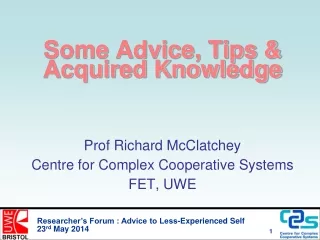
Some Unsolicited Advice Mark R. Abbott College of Earth, Ocean, and Atmospheric Sciences
Success Rates • NIH R01 have declined over the last 15 years from 30% to 18% • NSF varies by division • Lots of wiggles in the trend line, but general decrease towards 25-30% • Early career success rates somewhat lower • More solicitations coming out with pre-screening, limits on number of grants/PI, etc.
Mandates • Open access, data management • Broader impacts • Economic impacts • More interdisciplinary partnerships
New Landscapes • Beyond the single PI grant • Education • Natural and social sciences • Deeper levels of “broader impacts” • Beyond “science-led” decision making
Some To-Do’s and Some Not To-Do’s • Don’t low-ball (or pad) your budgets • Seek advice and mentoring • Work with senior faculty here and at other institutions • Engage with the larger community • Have the highest ethical standards • Learn your craft • Balance work and life