How Substance Abuse Impacts Family Dynamics and Healing Processes
70 likes | 218 Vues
Substance abuse is often considered a family disease due to its profound effects on family dynamics. Treating the entire family unit is essential for reversing the disease in the substance abuser. When a chemically dependent family member returns to a dysfunctional home, they face the risk of relapsing or leaving. Families typically progress through four phases of dysfunction: Learning, Seeking, Harmful, and Escape. The emotional and behavioral consequences can deeply affect children and the overall family environment, leading to guilt, shame, and turmoil.


How Substance Abuse Impacts Family Dynamics and Healing Processes
E N D
Presentation Transcript
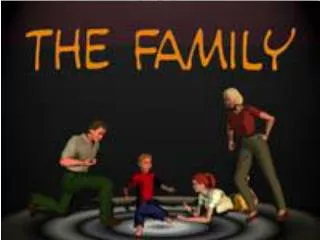
Substance abuse is a family disease. • Treating the whole family encourages treatment and reversal of the disease for the abuser.
If the chemically dependent family member returns to a family system that remains dysfunctional and chaotic, he or she will likely be faced with two choices: • 1- return to abusive drinking or drug abuse • 2- leave the family
Dysfunctional Family Phases • Dysfunctional families with a member suffering from substance abuse will progress through these four phases. (Johnson Institute) • 1- The Learning Phase • 2- The Seeking Phase • 3- The Harmful Phase • 4- The Escape Phase
Mistrust Guilt Shame Confusion Ambivalence Fear Insecurity Conflicts about sexuality Parental substance abusers can cause children a great deal of emotional consequences.
Other Consequences... • Behavioral • Medical and psychiatric • Educational • Economical • Social
Sources • Brook, J. and McDonald, T. (2009). The impact of parental substance abuse on the stability of family reunificaitons from foster care. Children and Youth Services Review, 31, 193-198. • Burger, W.R. (2008). Human services in contemporary America, 7th ed., Belmont, CA: Thomson Higher Education. • N.A. Effects of parental substance abuse on children and families. Retrieved February 24, 2009. http://www.coaf.org. • Fagan, A.A. and Najman, J.M. (2005). The relative contributions of parental and sibling substance use to adolescent tobacco, alcohol, and other drug use. The Journal of Drug Issues, 35, 869-881. • McKeganey, N., Mcintosh, J., and Macdonald, F. (2003). Young people’s experience of illegal drug use in the family. Drugs: education, prevention and policy, 10, 169-184. • Murphy, J.P. (1984). Substance abuse and the family. Journal for Specialists in Group Work. 106-112.