Understanding CPAP Therapy
CPAP therapy helps treat sleep apnea by ensuring a steady airflow during sleep. Learn how it improves breathing, sleep quality, and overall health.


Understanding CPAP Therapy
E N D
Presentation Transcript
Understanding CPAP Therapy This document provides a comprehensive overview of CPAP (Continuous Positive Airway Pressure) therapy, a common and effective treatment for sleep apnea. It explains how CPAP works, who needs it, its benefits, potential side effects, and how to maintain your CPAP machine. Haven Health Medical is committed to providing quality CPAP equipment and support, helping you embrace a healthier sleep and a happier life.
Who Needs CPAP Therapy? Obstructive Sleep Apnea (OSA) is a condition characterized by pauses in breathing during sleep, leading to disrupted sleep patterns and various health complications. Common symptoms of OSA include loud snoring, excessive daytime sleepiness, morning headaches, and observed pauses in breathing during sleep. Recognizing these symptoms is the first step in identifying the need for CPAP therapy. Several risk factors can increase the likelihood of developing OSA. Obesity is a significant contributor, as excess weight can lead to increased pressure on the upper airways. Age also plays a role, with older adults being more susceptible. Gender differences exist, with men generally being at higher risk than women. Certain physical characteristics, such as a narrow airway or enlarged tonsils, can also predispose individuals to OSA. The diagnostic process for OSA typically involves a sleep study, also known as polysomnography. This comprehensive evaluation monitors various physiological parameters during sleep, including brain activity, eye movements, heart rate, and breathing patterns. The results of the sleep study are used to calculate the Apnea- Hypopnea Index (AHI), which measures the number of apnea and hypopnea events per hour of sleep. According to medical guidelines, an AHI of 5 or more events per hour indicates OSA. Statistics show that over 22 million Americans suffer from sleep apnea, highlighting the widespread prevalence of this condition. Early diagnosis and appropriate treatment, such as CPAP therapy, are crucial for managing OSA and preventing its potential health consequences.
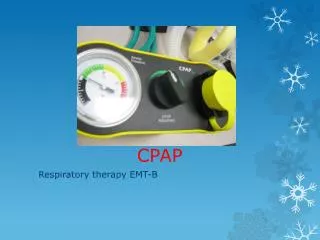
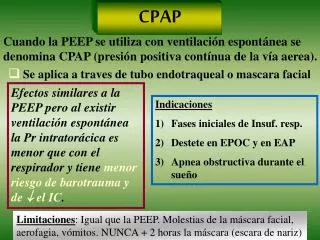
How CPAP Therapy Works CPAP therapy utilizes a CPAP machine to deliver a constant and steady stream of air pressure to the upper airways during sleep. This continuous positive air pressure helps to keep the airways open, preventing them from collapsing and causing pauses in breathing. The CPAP machine consists of several key components, including a motor, a humidifier, and a mask. The motor is responsible for generating the airflow, while the humidifier adds moisture to the air to prevent dryness and discomfort. The mask serves as the interface between the CPAP machine and the user, delivering the pressurized air to the airways. Different types of CPAP masks are available to accommodate individual preferences and needs. Nasal masks cover the nose only, while full face masks cover both the nose and mouth. Nasal pillow masks feature small cushions that fit into the nostrils. Air pressure settings are customized to individual needs based on the results of the sleep study. The titration process involves adjusting pressure levels to find the optimal setting that effectively prevents airway collapse without causing discomfort. Clinical data indicates that effective CPAP pressure usually falls between 6 and 14 cm H2O. Regular monitoring and adjustments may be necessary to ensure that the CPAP pressure remains appropriate over time. By maintaining open airways, CPAP therapy helps to restore normal breathing patterns, improve sleep quality, and reduce the risk of associated health complications.
Benefits of CPAP Therapy CPAP therapy offers a multitude of benefits for individuals with Obstructive Sleep Apnea (OSA), significantly enhancing their overall health and quality of life. One of the primary benefits is improved sleep quality. By preventing airway collapse and reducing awakenings during the night, CPAP therapy promotes deeper, more restful sleep. Reduced daytime sleepiness is another significant advantage. With improved sleep quality, individuals experience increased alertness and concentration throughout the day, leading to enhanced productivity and cognitive function. CPAP therapy also offers substantial health benefits. It has been shown to lower the risk of heart disease, stroke, diabetes, and high blood pressure, all of which are commonly associated with untreated OSA. Beyond the physical health benefits, CPAP therapy also enhances overall quality of life. Improved sleep and reduced daytime sleepiness contribute to improved mood, increased energy levels, and better cognitive function. Studies have shown that CPAP therapy can reduce the risk of cardiovascular events by 37%, underscoring its significant impact on long-term health. Real-world impact can be seen through countless testimonials and success stories from CPAP users who have experienced remarkable transformations in their lives. These individuals report improved energy levels, enhanced mood, and a renewed sense of well-being, highlighting the profound impact of CPAP therapy on their daily lives.
Potential Side Effects and How to Manage Them While CPAP therapy is highly effective for treating sleep apnea, some users may experience side effects. Common side effects include dry nose, nasal congestion, skin irritation, and aerophagia (swallowing air). Fortunately, these issues can often be resolved with simple adjustments. Humidifier adjustments can help alleviate dry nose and nasal congestion. Increasing the humidity level can add moisture to the air, preventing dryness and irritation. Proper mask fitting is crucial for minimizing skin irritation and air leaks. Ensuring a comfortable and effective seal can prevent pressure sores and discomfort. Chin straps can help keep the mouth closed during sleep, reducing air leaks and preventing dry mouth. Saline nasal sprays can provide relief from nasal congestion and irritation. Rare side effects may include eye irritation, sinus infections, and claustrophobia. It's essential to address these concerns promptly to ensure continued adherence to CPAP therapy. Tips for overcoming discomfort and adjusting to CPAP therapy may include practicing wearing the mask during the day, using relaxation techniques, and gradually increasing the pressure settings. Up to 50% of CPAP users experience some side effects initially, but most can be resolved with adjustments. When to consult with a healthcare provider or CPAP specialist at Haven Health Medical: If side effects persist or worsen despite implementing the above solutions, it's essential to seek medical advice. A healthcare provider can assess the situation, identify any underlying issues, and recommend appropriate adjustments to the CPAP therapy regimen.
Using and Maintaining Your CPAP Machine Proper use and maintenance of your CPAP machine are essential for ensuring its effectiveness and longevity. Setting up your CPAP machine involves a few simple steps. First, place the machine on a stable surface near your bed. Connect the tubing to the machine and the mask. Fill the humidifier chamber with distilled water. Plug the machine into a power outlet. Proper mask fitting is crucial for ensuring a comfortable and effective seal. Adjust the straps to achieve a snug fit without being too tight. Test the seal by turning on the machine and checking for air leaks around the mask. Cleaning and maintenance should be performed regularly to prevent the buildup of bacteria and allergens. Daily cleaning involves wiping down the mask and headgear with a mild soap and water solution. Weekly cleaning involves washing the tubing, humidifier chamber, and mask in warm, soapy water. Monthly cleaning involves disinfecting the machine and accessories according to the manufacturer's instructions. Replace mask cushions every 1-3 months, tubing every 3 months, and filters every 1-6 months. Troubleshooting common issues such as air leaks, machine noise, and pressure problems can often be resolved with simple adjustments. Air leaks can be addressed by adjusting the mask straps or trying a different mask size. Machine noise can be minimized by placing the machine on a soft surface or using a noise-dampening mat. Pressure problems may require adjusting the pressure settings or consulting with a healthcare provider. Use distilled water in the humidifier to prevent mineral buildup. Avoid using lotions and oils on the face before mask use to prevent skin irritation and mask damage.
Haven Health Medical: Your Partner in CPAP Therapy Haven Health Medical is your trusted partner in CPAP therapy, offering comprehensive services to support your respiratory health and sleep solutions. We provide equipment selection, mask fitting, and ongoing support to ensure a successful CPAP therapy experience. Our expert team consists of respiratory therapists and sleep specialists who are dedicated to providing personalized care and guidance. We offer a wide range of CPAP machines and supplies, featuring the latest technology and comfortable mask options to suit individual preferences. Haven Health Medical provides assistance with insurance claims and payment options to make CPAP therapy accessible and affordable. Educational materials, FAQs, and support forums are available on the Haven Health Medical website (https://havenhealthmedical.com/) to provide valuable information and resources. You can reach us by phone, email, or visit one of our clinic locations for expert assistance and support. At Haven Health Medical, we are committed to helping you achieve a healthier sleep and a better quality of life through CPAP therapy.
Conclusion: Embracing a Healthier Sleep with CPAP CPAP therapy offers numerous benefits for managing sleep apnea, including improved sleep quality, reduced daytime sleepiness, and enhanced overall health. Prioritizing sleep health and seeking treatment if needed is crucial for maintaining a healthy and fulfilling life. Haven Health Medical is committed to providing quality CPAP equipment and support to help you embrace a healthier sleep and a happier you. A well-rested you is a healthier, happier you.