Download

1 / 21
210 likes | 333 Vues
This paper discusses the sustainable use of deep-water cooling systems in Scandinavia, employing lakes, oceans, and aquifers as heat sinks. Highlighting successful implementations in Stockholm and Södertälje, the systems harness cold water for efficient cooling, demonstrating substantial energy savings and environmental benefits. Key projects include Stockholm's system utilizing the Baltic Sea, and Södertälje's use of Lake Mälaren. The paper also outlines ongoing developments in Canada and Hawaii, emphasizing the integration of seasonal aquifer storage technology.

E N D
Renewable District Cooling Using Oceans, Lakes and Aquifers Mark Spurr Bryan Kleist Börje Johansson IDEA Annual Conference Philadelphia, PA June 2003
Abstract Deep water cooling using lakes and seas as a heat sink, sometimes in conjunction with heat pumps, has been used successfully in Scandinavia for over 15 years. FVB has served as consultant on design and development of 7 deep water cooling district cooling systems now in commercial operation. This paper highlights several of these systems, including: • Stockholm, Sweden. The Baltic Sea is used in combination with heat pumps to supply over 70,000 tons of cooling for downtown Stockholm. • Södertälje, Sweden. 17,000 ton district cooling system at Lake Mälaren supplying a pharmaceutical plant and other commercial customers. • Sollentuna, Sweden. 1,100 ton district cooling system that includes aquifer storage. During the winter, cold sea water from a bay of the Baltic Sea is stored in the aquifer to reduce temper the warmer sea water during summer.
Commercial deep water cooling systems • Under development • Toronto – fresh water lake • Hawaii – sea water • Operating • Cornell University – fresh water lake • Halifax – sea water • Stockholm, Sweden – sea water plus heat pump • Södertälje, Sweden – fresh water lake • Sollentuna -- sea water plus seasonal aquifer storage • Uppsala Väsby – deep water plus heat pump • Järlasjö lake – fresh water lake • Nacka Strand – sea water • Norrenergi – sea water
Deep water cooling Courtesy Cornell University www.utilities.cornell.edu/LSC
Annual average Coefficient of Performance (COP) • Electric centrifugal chillers including auxilliaries 4-5 • Deep water cooling • Direct free cooling 50-70 • Including seasonal storage 40-50
Södertälje, Sweden • Telgi Energi uses cold water from Lake Mälaren provides cooling to a large pharmaceutical plant and other commercial customers • Production capacity 17,000 tons • Supply temperature less than 48F all year long • Source depth 148 ft • Supply flow rate 26,400 gpm • District cooling distribution 3.7 miles of 39 inch diameter polyethylene pipe
Sollentuna, Sweden • Operated by Sollentuna Energi • Production capacity 1,100 tons • Aquifer storage capacity 730,000 ton-hrs • Supply temperature 45F • Source depth 50 feet • Pipe materials • Polyethylene for pipe installed in the bay • Stainless steel for customer connections • Carbon steel for underground pipe
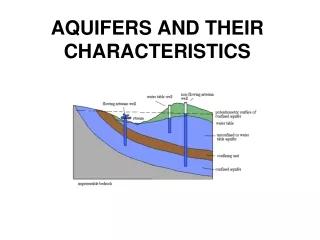
Integration of deep water cooling and seasonal aquifer storage
Role of seasonal storage in Sollentuna annual cooling production
Södertälje Environmental Report • Environmental impact report • Prepared by Anders Broberg, Ph.D., Swedish Institute of Limnology • Translated from Swedish by Gordon Bloomquist • Major issues • Laying of pipeline (approximately 6 km or 3.5 miles) • Turbidity • Mercury • Intake of water • Discharge of water at elevated temperature • Heating of water surrounding pipe line • Nutrients
Cooling outfall Courtesy Cornell University www.utilities.edu/LSC
Thanks for your attention!Questions? Mark Spurr Vice President FVB Energy Inc. 150 South 5th Street Minneapolis, MN 55402 Phone: 612/607-4544 Fax: 612/338-3427 mspurr@fvbenergy.com www.fvbenergy.com