Understanding the Reproductive System and Pregnancy Journey
Explore the intricate processes of the reproductive system, from gamete formation to conception and pregnancy milestones. Learn about menstruation, ovulation, fertilisation, implantation, and contraception methods.

Understanding the Reproductive System and Pregnancy Journey
E N D
Presentation Transcript
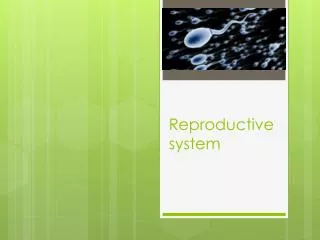
A sex cell is known as a gamete • The male sex cell (or gamete) is called sperm; the female sex cell (or gamete) is called the egg
The menstrual cycle • Menstruation is the shedding of the lining of the uterus • The menstrual cycle lasts about 28 days and menstruation occurs at the start of the cycle
In Each Menstrual Cycle: Day 1 –5: The lining of the uterus breaks down and passes out of the body (a period occurs)Day 6 – 13: A new lining forms in the uertus and a new egg develops in the ovaryDay 14:An egg is released from the ovary (ovulation) Day 15 – 28:The lining of the uterus remains in place until the next menstrual cylce
Fertile Period • These are the days on which pregnancy is most likely to occur. • Typically this is from days 11 –16.
Ovulation • The release of the egg from the ovary
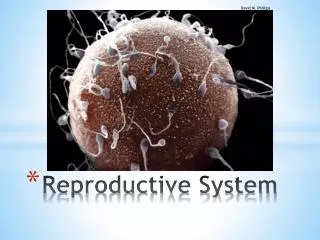
Sexual intercourse occurs when the erect penis of the male is placed in the vagina of the female • Fertilisation is the fusion between male and female gametes (sperm and egg) resulting ina zygote • A zygote undergoes cell division and develops within the womb into a foetus
Implantation occurs when the dividing zygote attaches itself to the lining of the uterus.
Pregnancy: the foetus inside the womb • Implantation occurs when the dividing zygote (ball of cells) attaches itself to the lining of the uterus. • Human pregnancy usually lasts about 40 weeks • After 8 weeks the embryo is recognisable as a human and is the called a foetus. • Placenta acts as a link between the mother’s bloodstream and that of the developing embryo (it brings in nutrients and takes away waste).
Pregnancy • This is the length of time the baby spends developing in the uterus.
During Pregnancy:• The baby is surrounded by a membrane called amnion • Amniotic fluid surrounds and protects the baby • The umbilical cord connects the baby and placenta • The placenta allows substances to be exchanged between the mother and the baby
The birth itself • Contractions begin (muscles in the uterus contract). • ‘breaking of the waters’ (liquid, or amniotic fluid or fluid escapes). • Cervix dilates(widens). • The baby is pushed through the cervix (into the vagina)
TWO TYPES • CHEMICAL • PHYSICAL
Chemical Contraception • Some pills prevents the embryo implanting in the uterus
Physical contraception • Avoiding intercourse at certain times • Using a condom, a cap or chemicals to kill sperm
Surgical Contraception • • Surgery to close off the sperm ducts (Vasectomy) or fallopian tubes.