

SlideServe
Menu
Préférences
© SlideServe · v2026

CF week

kaveri avatar
23 diapositives · 370 Views · Aug 31, 2014

This comprehensive overview delves into the anatomy and physiology of the respiratory system, focusing on the airway branchings from the trachea to the alveoli, pleural cavity, and lung structures. It examines normal ventilation processes, the mechanisms of diffusion, and the normal V/Q ratio, as well as the pathology of cystic fibrosis (CF). The course covers CF's inheritance, incidence, and various lung and pancreas complications, providing effective management options including physiotherapy and medications. Additionally, it highlights the psychosocial impact of living with CF.
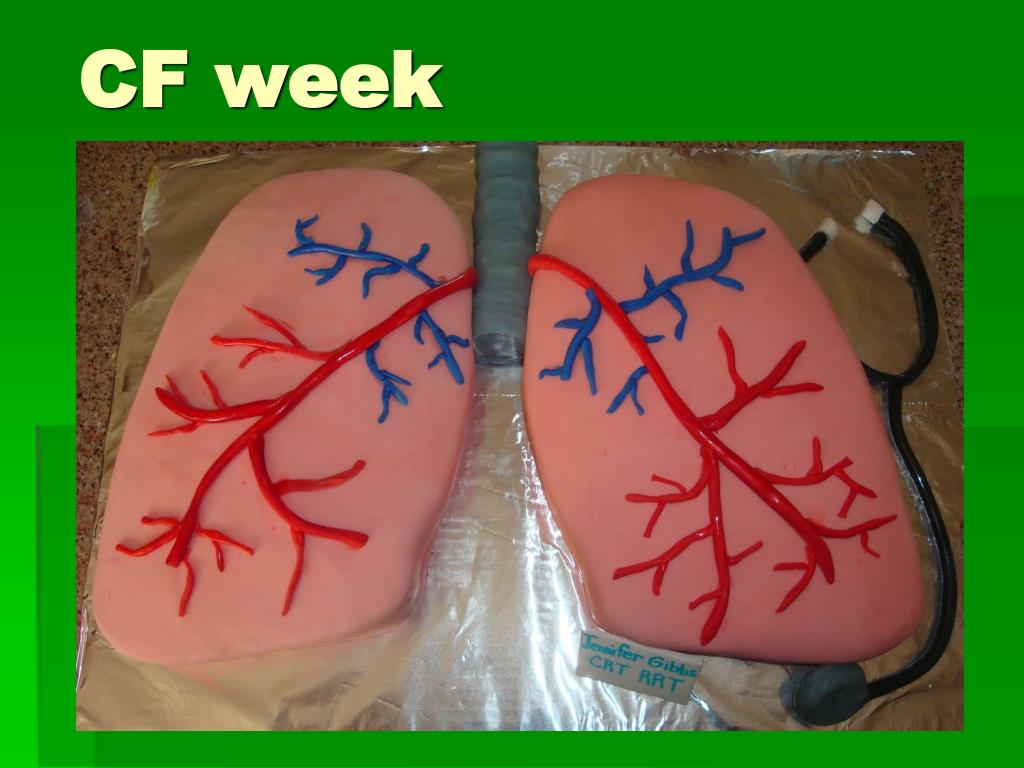
CF week - slide 1
01 / 23CF week
1 / 17

Télécharger la présentation

CF week
Une image / un lien ci-dessous est fourni (tel quel) pour télécharger la présentation

Politique de téléchargement : le contenu du site vous est fourni TEL QUEL pour votre information et votre usage personnel ; il ne peut être vendu, concédé sous licence ni partagé sur d’autres sites sans l’accord de son auteur.Le contenu vous est fourni TEL QUEL, pour votre information et votre usage personnel uniquement. Téléchargez la présentation en cliquant sur ce lien. Lors du téléchargement, si vous ne parvenez pas à télécharger une présentation, l’éditeur a peut-être supprimé le fichier de son serveur.Pendant le téléchargement, si vous ne parvenez pas à obtenir une présentation, le fichier a peut-être été supprimé par l’éditeur.

F I N

Plus de contenu associé

Transcription de la présentation
  1. CF week

  2. Anatomy of the LRT • Airway branchings & LMB vs RMB • Name levels from trachea to alveoli • Changes as we descend resp tract? • Pleural cavity • Lungs – lobes and fissures • Circulation • Innervation

  3. Respiratory epithelium

  4. Bronchus

  5. Bronchiole

  6. Terminal bronchiole

  7. Respiratory bronchiole

  8. Alveoli

  9. Physiology - mechanics • Pleural pressure • Muscles and movements in inspiration • Muscles and movements in expiration • Passive vs active expiration • Forces keeping alveoli open vs closed

  10. Physiology • Ventilation • Pulmonary ventilation vs alveolar • What causes dead space?

  11. Physiology • Diffusion • What are the layers of the blood-air-barrier? • What effects the rate of diffusion?

  12. Physiology • Perfusion • Normal V/Q ratio • Hypoxic pulmonary vasoconstriction

  13. Pathology of obstruction • Tubes – muscular vs non-muscular • Non-mechanical • Mechanical - extramural, intramural and intraluminal • Examples • Consequences

  14. CF • Type of inheritance? • Incidence

  15. Sequelae Lung • Abnormal mucous, less, thicker • Infection/ inflammation • Bronchiectasis Pancreas • Pancreatic obstruction leads to… Sweat gland • Decreased reabsorption of NaCl.

  16. Pancreatic pathology

  17. Sweat gland

  18. Other abnormalities • Bilateral absence of ductus deferens • Meconium ileus • Liver pathology • Males generally infertile, woman are not.

  19. Diagnosis • Sweat test and DNA test for CFTR mutation • 6 classes of mutation

  20. Management Can you list 5 management options?

  21. Management • Chest physiotherapy Postural drainage and manual techniques Breathing & airway clearance +/- PEP devices Exercise therapy • Medications Bronchodilators (preventers and relievers) Anti-inflammatory therapy Mucolytics & pulmozyme(rhDNase) • IV antibiotics (infective exacerbations) • Oxygen therapy (infective exacerbations, or end stage) • Nutritional support (+/- enzymes) • Transplantation (end stage) • Potential gene therapy - aim to restore CTFR function

  22. Psychosocial/burden of CF • Prognosis • Time consuming, life altering illness. • Costly • Good opportunity to learn about support and respite groups

  23. Surface anatomy 6,8 and 10 for lung. 8, 10 and 12 for pleurae.