Download
1 / 12
130 likes | 247 Vues
This document outlines the Ministry of Natural Resources (MNR) roles in promoting renewable energy in Ontario, focusing on water power policy in the Far North. It discusses the importance of Aboriginal community participation, the regulatory frameworks like the Far North Act (2010), and water power development specifics. The MNR aims to facilitate environmental assessments, land access, and permits while ensuring adherence to Aboriginal and treaty rights. Future considerations include enhancing transmission infrastructure to support renewable energy and connecting off-grid communities to the energy supply.

E N D
Water Power in the Far North April 3rd & 4th, 2012 Feed-In Tariff Forum Ontario Ministry of Natural Resources
Outline • MNR Roles in Renewable Energy • Water Power in the Far North • Looking to the Future
1. MNR Roles in Renewable Energy • Support Ontario’s energy supply needs and transmission plans by making land available for renewable energy • Ministry of Energy provides provincial energy and transmission policy leadership • MNR supports by facilitating access to land
1. MNR Roles in Renewable Energy • participate in industry led water power environmental assessments • issue permits and approvals to protect environment and public safety (e.g. Public Lands Act, Lakes & Rivers Improvement Act, Endangered Species Act) • Participate in the review and approval of projects
1. MNR Roles in Renewable Energy • Aboriginal and treaty rights – duty to consult • promote and enable opportunities for Aboriginal economic benefits and participation in renewable energy projects • Aboriginal consultation and opportunities for Aboriginal economic benefits
2. Water Power in the Far North • Water power Policy (2004) for all of Ontario • release of waterpower opportunities – “access” to the land • includes “northern rivers” and off grid community policy commitments • specific requirements to promote Aboriginal community participation and economic benefits
2. Water Power in the Far North • Northern Rivers • watersheds of the Severn, Winisk, Attawapiskat, and Albany rivers • water power development only by Aboriginal communities or their partners • water power development cap of 25 MW – opportunity to review through land use planning Northern Rivers
2. Water Power in the Far North Northern Rivers • Moose River Basin • no new waterpower development within the basin until co-planning agreement in place between First Nations and province Moose River Basin
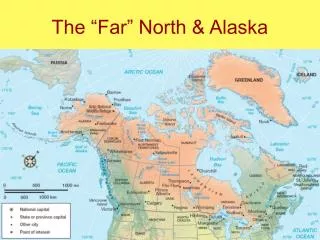
2. Water Power in the Far North • Far North • Far North Act (2010) also guides water power development in the Far North • water power can be enabled through community based land use plans • if no land use plan is in place, exceptions for development can be made by the Minister • in the Far North, many water power sites are located within protected areas Northern Rivers Moose River Basin Far North Boundary
3. Looking to the Future • Provincial decisions on transmissionand energy supply needs • Long-term energy plan (LTEP) informs us where the province will plan and build transmission, and what types of renewable energy supply are needed • LTEP identifies priority to connect off-grid communities in the northwest; current lack of transmission infrastructure in Far North
3. Looking to the Future • Renewable Energy Policy Review • MNR has committed to reviewing its policy approach to how land is made available to support renewable energy development • key policy areas of the review include where and how land will be made available for renewable energy development including: • alignment with provincial energy plans and programs • policy direction on renewable energy in Far North Act
Contact Information • Renewable Energy Program • Ministry of Natural Resources • 300 Water Street • Peterborough ON K9J 8M5 • http://www.mnr.gov.on.ca/en/Business/Renewable/index.html • Far North Branch • Ministry of Natural Resources • Ontario Government Complex • 5520 Hwy 101 East • South Porcupine ON P0N 1H0 • http://www.mnr.gov.on.ca/en/Business/FarNorth/index.html