What is CI?
Cyberinfrastructure (CI) integrates data resources, network protocols, computing platforms, and services to connect people with information and computational tools, enabling advanced scientific research and data-intensive applications in today's information-led environment. The summary covers the historical context of geospatial cyberinfrastructure, highlighting initiatives from the National Science Foundation (NSF) and notable projects like the National Map and NASA's Cloud Computing efforts. Engage in insightful discussions on future research directions in geospatial cyberinfrastructure.

What is CI?
E N D
Presentation Transcript
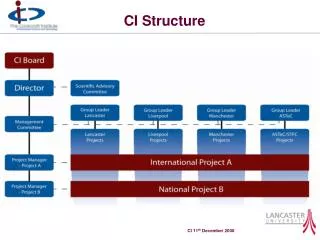
What is CI? A Cyberinfrastructure (CI) is a combination of data resources, network protocols, computing platforms, and computational services that brings people, information, and computational tools together to perform science or other data-rich applications in this information-driven world.
GCI History Yang C., Raskin R., Goodchild M.F., Gahegan M., 2010, Geospatial Cyberinfrastructure: Past, Present and Future, Computers, Environment, and Urban Systems, 34(4):2-16
What is GCI about? Yang C., Raskin R., Goodchild M.F., Gahegan M., 2010, Geospatial Cyberinfrastructure: Past, Present and Future, Computers, Environment, and Urban Systems, 34(4):2-16
Panel • Jennifer Schopf: overview of NSF CI programs (with geospatial aspects emphasized) 15 minutes • Douglas Nebert: overview of NSDI and other relevant initiatives, such as geodata.gov and GEOSS clearinghouse 15 minutes • Mark L. Demulder: overview of the National Map and its future development (related to Web 2.0) 15 minutes • Myra Bambacus: NASA Cloud Computing (Nebula) and other relevant initiatives 15 minutes • Robert Raskin: Geospatial CI research directions and semantic web 15 minutes • Q&A and Discussions 20 minutes