Echocardiographic Assessment of Cardiac Functions in Rnd3+/- and Wild-Type Mice Under Physiological Conditions
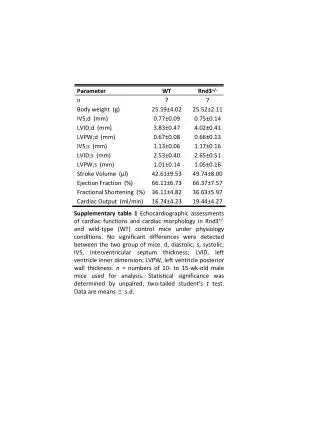
This study evaluates echocardiographic measurements of cardiac function and morphology in Rnd3+/- and wild-type (WT) control mice. No significant differences were observed between the Rnd3+/- and WT mice in various cardiac parameters, including systolic and diastolic measurements, interventricular septum thickness, and left ventricle dimensions. Both groups displayed consistent responses to treatments, with statistical analysis performed using unpaired, two-tailed Student’s t-test and Kruskal-Wallis ANOVA. These findings suggest comparable cardiac health in Rnd3+/- and WT mice under physiological conditions.

Echocardiographic Assessment of Cardiac Functions in Rnd3+/- and Wild-Type Mice Under Physiological Conditions
E N D
Presentation Transcript
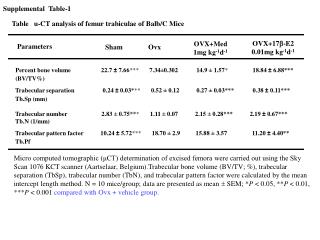
Supplementary table 1 Echocardiographic assessments of cardiac functions and cardiac morphology in Rnd3+/- and wild-type (WT) control mice under physiology conditions. No significant differences were detected between the two group of mice. d, diastolic; s, systolic; IVS, interventricular septum thickness; LVID, left ventricle inner dimension; LVPW, left ventricle posterior wall thickness. n = numbers of 10- to 15-wk-old male mice used for analysis. Statistical significance was determined by unpaired, two-tailed student’s t test. Data are means ± s.d.
Systolic blood pressure (mmHg) Diastolic blood pressure (mmHg) 5 6 3 4 4 4 TAC TAC +Fasudil Sham WT Rnd3+/- WT Rnd3+/- Supplementary figure 1 Multiple comparisons of systolic and diastolic blood pressures among three groups: Sham, TAC only, and TAC plus Fasudil treatment. No significant differences were detected either between WT and Rnd3+/- mice or among the mice in three groups. Statistical significance was determined by Kruskal-Wallis One Way ANOVA on Ranks followed by Dunn’s method. Data are means ± s.d. 5 6 3 4 4 4 TAC TAC +Fasudil Sham