Comparative Planetary Statistics: Mercury, Venus, Earth, Mars, Jupiter, Saturn, Uranus, Neptune, Pluto
Explore the fascinating statistics of our solar system's planets and dwarf planet Pluto. This comprehensive overview includes key attributes such as distance from the sun, rotation and revolution periods, diameter, density, surface temperatures, and gravity relative to Earth. From Mercury, the closest planet to the sun, to distant Pluto, each celestial body exhibits unique characteristics that contribute to our understanding of the solar system. Whether you're a student, educator, or space enthusiast, this comparative study highlights what makes each planet special.


Comparative Planetary Statistics: Mercury, Venus, Earth, Mars, Jupiter, Saturn, Uranus, Neptune, Pluto
E N D
Presentation Transcript
Mercury • Distance from sun- 3.2 light-Minutes • Period of rotation- 58 days, 19 h • Period of revolution- 88 days • Diameter-4,879 km • Density- 5.43 g/cm³ • Surface temperature- -173ºC to 427°C • Surface gravity- 38% of Earth’s
Venus • Distance from sun- 6.0 light-minutes • Period of rotation- 243 days, 16 h (R)* • Period of revolution- 224 days,17 h • Diameter- 12,104 km • Density- 5.24 g/cm³ • Surface temperature- 468°C • Surface gravity- 91% of Earth’s • *R+ retrograde rotation
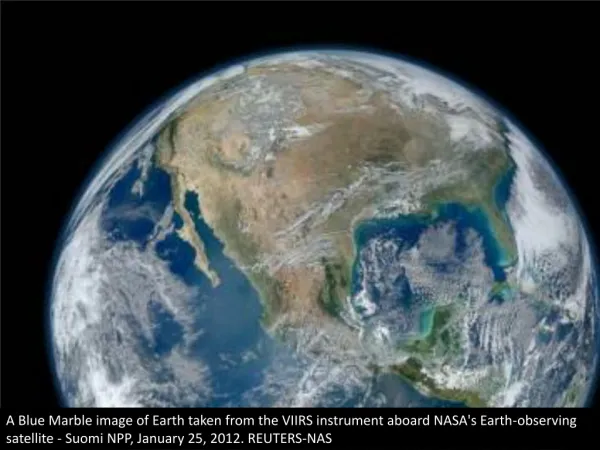
Earth • Distance from sun- 8.3 light-minutes • Period of rotation- 23 h, 56 min • Period of revolution- 365 days, 6 h • Diameter- 12,756 km • Density- 5.52 g/cm³ • Surface temperature- -13ºC to 37ºC • Surface gravity-100% of Earth’s
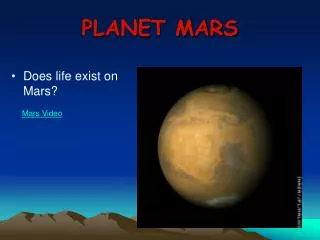
Mars • Distance from sun- 12.7 light-minutes • Period of rotation- 24 h 40 min • Period of revolution- 1 year, 322 days • Diameter- 6794 km • Density- 3.93 g/cm³ • Surface temperature- -123°C to 37ºC • Surface gravity- 38% of Earth’s
Jupiter • Distance from sun- 43.3 light-minutes • Period of rotation- 9 h, 54 min • Period of revolution- 11 years, 313 days • Diameter- 142,984 km • Density- 1.33 g/cm³ • Surface temperature- -110 º C • Surface gravity- 236% of Earth’s
Saturn • Distance from sun- 1.3 Light hours • Period of rotation- 10 h, 42 min • Period of revolution- 29 years,155 days • Diameter- 120,536 km • Density- 0.69 g/cm³ • Surface temperature- -140ºC • Surface gravity- 92% of Earth’s
Uranus • Distance from sun-2.7 light-hours • Period of rotation- 17 h, 12 min (R) * • Period of revolution-83 years, 273 days • Diameter- 51,118 km • Density- 1.27 g/cm³ • Surface temperature- -195ºC • Surface gravity- 89% of Earth’s • *R+ retrograde rotation
Neptune • Distance from sun- 4.2 light-hours • Period of rotation- 16h,6 min • Period of revolution-163 years,263 days • Diameter- 49,528 km • Density- 1.64 g/cm³ • Surface temperature- -200ºC • Surface gravity- 112% of Earth’s
Pluto • Distance from sun- 5.4 light-hours • Period of rotation-6 days, 10 h(R)* • Period of revolution- 248 years, 4 days • Diameter- 2390 km • Density- 1.75 g/cm³ • Surface temperature- -225ºC • Surface gravity- 6% of Earth’s • *R+ retrograde rotation