
SlideServe
Menu
Préférences
© SlideServe · v2026

Ocean Sediments

konane avatar
25 diapositives · 641 Views · Sep 18, 2014

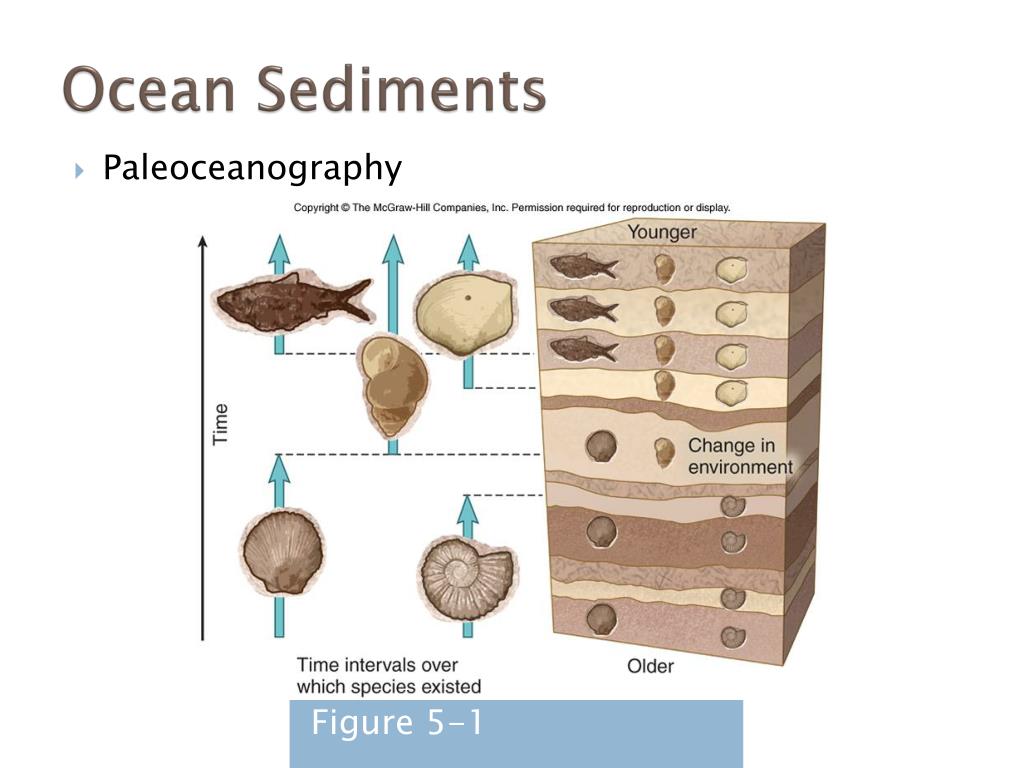
Ocean Sediments. Paleoceanography. Figure 5-1. Ocean Sediments. Lithostratigraphy Biostratigraphy Chronostratigraphy Magnetostratigraphy Stable-isotopic stratigraphy. Foundations. Challenger Expedition (1872-1876) Baille rod German Meteor Expedition (1925-1927) Wolfgang Schott
Ocean Sediments - slide 1
01 / 25Ocean Sediments
1 / 17

Télécharger la présentation

Ocean Sediments
Une image / un lien ci-dessous est fourni (tel quel) pour télécharger la présentation

Politique de téléchargement : le contenu du site vous est fourni TEL QUEL pour votre information et votre usage personnel ; il ne peut être vendu, concédé sous licence ni partagé sur d’autres sites sans l’accord de son auteur.Le contenu vous est fourni TEL QUEL, pour votre information et votre usage personnel uniquement. Téléchargez la présentation en cliquant sur ce lien. Lors du téléchargement, si vous ne parvenez pas à télécharger une présentation, l’éditeur a peut-être supprimé le fichier de son serveur.Pendant le téléchargement, si vous ne parvenez pas à obtenir une présentation, le fichier a peut-être été supprimé par l’éditeur.

F I N

Plus de contenu associé

Transcription de la présentation
  1. Ocean Sediments • Paleoceanography Figure 5-1

  2. Ocean Sediments • Lithostratigraphy • Biostratigraphy • Chronostratigraphy • Magnetostratigraphy • Stable-isotopic stratigraphy

  3. Foundations • Challenger Expedition (1872-1876) • Baille rod • German Meteor Expedition (1925-1927) • Wolfgang Schott • Foraminifera • Established first links between the abundance of marine organisms and climate

  4. Foundations • Cesare Emiliani (1922-1995) • Isotopes of oxygen • First to demonstrate that ocean conditions were not constant through geologic time

  5. Foundations • CLIMAP project (1971-1982) • Milankovitch Cycle • Eccentricity • Obliquity • Precession

  6. Younger Dryas event

  7. IODP • Integrated Ocean Drilling Program

  8. Descriptive Classifications • Granular • Fragmentation of organic or inorganic parent materials • Biogenous • Lithogenous • Chemical • Forming directly from dissolved compounds in seawater • Hydrogenous • Authigenic

  9. Biogenous Sediments • Shells & skeletons • CaCO3 [calcareous] • SiO3 [siliceous] • Oozes

  10. Biogenous Sediments • Coccolithophorids • Pteropods • Foraminfera • Diatoms • Radiolarians

  11. Lithogenous Sediments • Terrigenous sediments • Fine to coarse • Most common • Weathering of rocks • Transport by rivers, winds, volcanoes and glaciers

  12. Hydrogenous Sediments • Derived from chemical reactions in the water Hydrothermal Vent

  13. Hydrogenous Sediments • Carbonates • Limestone-type deposits • Shallow, warm water • Ooliths

  14. Hydrogenous Sediments • Phosphorites • Phosphorus in the form of phosphate • Continental shelf & slope

  15. Hydrogenous Sediments • Salts • High rate of evaporation in shallow areas • Carbonate salts, sulfate salts, then chlorides

  16. Hydrogenous Sediments • Manganese nodules • Manganese, iron, nickel, cobalt & copper

  17. Cosmogenous Sediments • Sediments derived from space

  18. Particle Size

  19. Udden-Wentworth Scale

  20. Particle Size • Size & shape • Influences sinking rate and travel time

  21. Particle Size • Particle aggregation • Electrical attraction • Fecal pellets 2200x