Understanding the African Food Pyramid: Nutritional Insights and Cultural Practices
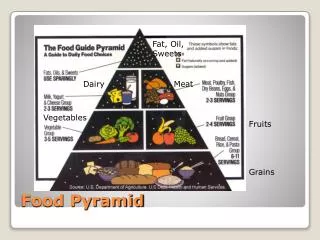
This chapter explores the African food pyramid, emphasizing the importance of various food groups in traditional African cuisine. Notably, grains like cassava and plantains serve as crucial starch sources, while vegetables, fruits, and meats contribute essential nutrients. We discuss the typical eating habits of rural Africans, who often consume only two meals a day, highlighting the need for more servings per meal. Snacks are also suggested to ease hunger and improve nutrition between meals, ensuring a balanced diet aligned with cultural practices.


Understanding the African Food Pyramid: Nutritional Insights and Cultural Practices
E N D
Presentation Transcript
African Pyramid Chapter 31
An African Pyramid • Grains: H. I. N. P. cassava and plantains are used as starches in African cuisine. Therefore A and O may also be listed in Grains. • Vegetable Group: A. K. S. T. • Fruit Group: C. D. G. M. O. • Milk Group: Nothing should be listed • Meat and Beans: B. E. F. J. O. • Fats, Oils and Sweets: L. R.
An African Pyramid • 1. Milk, Yogurt and cheese group • 2. People in rural Africa eat only 2 meals per day. This means you would need to include more servings from the Food Guide Pyramid at each meal. • 3. Snacks would help relieve hunger and provide nutrients between the two daily meals. • 4. Based on your own response