Download

1 / 20
200 likes | 311 Vues
Explore the biodiversity within oak shrublands, featuring key species such as Quercus virginiana (live oak), Quercus douglasii (blue oak), and Quercus marilandica (blackjack oak). Effective management practices are vital for sustaining oak rangelands, requiring moderate grazing, periodic burning, and careful timing to prevent oak poisoning in livestock. Additionally, the significance of wildlife and fee hunting must be considered for comprehensive land management. This guide provides insights into promoting productivity and ecological balance in these unique habitats.

E N D
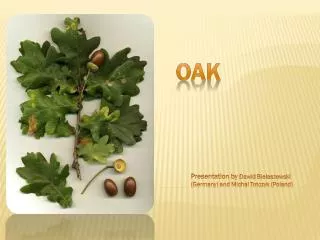
Plants of the Oak Shrubland Liveoaks • Quercus virginiana- true liveoak • Quercus douglasii- blue oak • Quercus turbinella-shrub liveoak Deciduous oaks • Quercus stellata-post oak • Quercus harvardii-shinnery oak • Quercus marilandica-blackjack oak
Management of the Oak Shrubland 1. Graze conservatively or moderately 2. Common use grazing works well on oak rangelands 3. Goats are well suited for use of oak rangelands 4. Periodic burning important to maintain productivity and nutritive value of oak rangelands; shinnery oak rangelands are an exception (sandy soils) 5. Timing of grazing important to avoid oak poisoning (tannic acid) of cattle 6. Wildlife and fee hunting are very important on most oak rangelands; their needs should be carefully considered in management