Visualizing the Elder Scrolls Lore
Understanding the rich lore of the Elder Scrolls enhances the player experience, but navigating vast in-game texts can be tedious and inconsistent. This study discusses the importance of visualizing Elder Scrolls lore to streamline player comprehension. Traditional text-based histories are often hard to navigate, leading to frustration. A visual display condenses information about events in time and space, making it more inviting and rewarding. By combining maps, images, and effective color coding, players can quickly grasp historical contexts, boosting immersion and engagement in the game.

Visualizing the Elder Scrolls Lore
E N D
Presentation Transcript
Visualizing the Elder Scrolls Lore Dan Ivancic HCI 530: Data Visualization
Rationale Not understanding the game world detracts from the play experience. • Reading large amounts of in-game texts can: • Be Inconsistent (books are spread across the world – hard to know what a book is about) • Be Boring • Take up play time Condensed histories are available online but are still only text. A visual display can provide a streamlined learning experience - allowing the player to gain familiarity with the world and as a result have a more inviting and rewarding play experience.
Presenting the Data History: Individual Events at points in Time and Space Events Time Space Need to design or find a format to cleverly encompass these aspects Searched for examples of visualizations dealing with the this type of data
Presenting the Data History: Individual Events at points in Time and Space Events Time Space
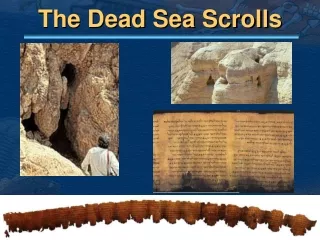
Maps and images are combined Graphics alternate between telling story and providing imagery Structure is not well defined
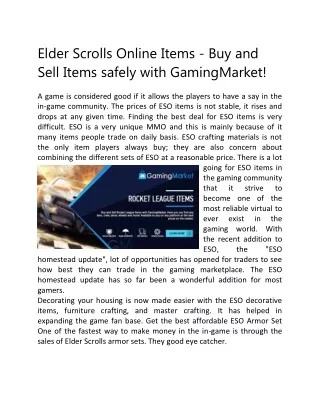
Panes separate aspects effectively Time is estimated (balance of interval/ordinal) Color labels allow events to share a map but are not consistently used Images add information and allow for quick glancing
Time is separated into blocks of 500 years - specific dates are omitted in favor of simplicity Color coding is consistently used for every event that appears on a map