
SlideServe
Menu
Préférences
© SlideServe · v2026

Transforming School Discipline: Proactive Behavior Support for Student Success

laksha avatar
10 diapositives · 239 Views · Jul 29, 2014

The classroom environment has evolved, necessitating a shift in how we approach student behavior. Rather than punitive measures, schools should prioritize teaching expected behaviors through a school-wide positive behavior support system. By fostering conditions that are predictable, positive, and safe, we can educate students on appropriate behavior and social competence. This proactive approach leads to reduced office discipline referrals, improved academic outcomes, increased attendance, and a safer school environment. Together, we can create an atmosphere where all students thrive.
Transforming School Discipline: Proactive Behavior Support for Student Success - slide 1
01 / 10Transforming School Discipline: Proactive Behavior Support for Student Success
1 / 17

Télécharger la présentation

Transforming School Discipline: Proactive Behavior Support for Student Success
Une image / un lien ci-dessous est fourni (tel quel) pour télécharger la présentation

Politique de téléchargement : le contenu du site vous est fourni TEL QUEL pour votre information et votre usage personnel ; il ne peut être vendu, concédé sous licence ni partagé sur d’autres sites sans l’accord de son auteur.Le contenu vous est fourni TEL QUEL, pour votre information et votre usage personnel uniquement. Téléchargez la présentation en cliquant sur ce lien. Lors du téléchargement, si vous ne parvenez pas à télécharger une présentation, l’éditeur a peut-être supprimé le fichier de son serveur.Pendant le téléchargement, si vous ne parvenez pas à obtenir une présentation, le fichier a peut-être été supprimé par l’éditeur.

F I N

Plus de contenu associé

Transcription de la présentation
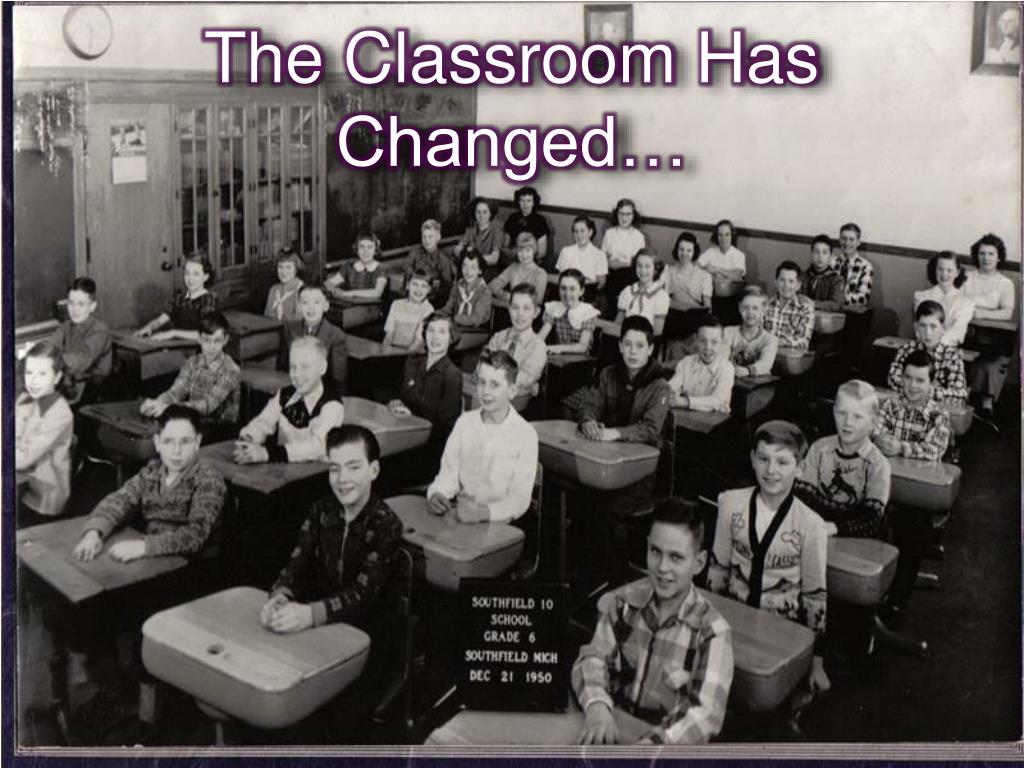
  1. The Classroom Has Changed…

  2. Good instruction in a behaviorally chaotic environment will fail. Aren’t students in class to learn? Shouldn’t they know how to behave?

  3. WHAT IF THEY MISBEHAVE? We can punish the ones who do wrong...

  4. …or we can teach the expected behaviors SCHOOLWIDE and REWARD the ones who are doing the right thing.

  5. At the heart of a proactive school-wide discipline plan is the notion that expected behavior needs to be taught. Simply put, “If you want good behavior, you have to teach it.” Geoff Colvin, 7 Steps for Developing a ProactiveSchool-wide Discipline Plan, 2007

  6. School-wide Positive Behavior Support: A New Standard of School Discipline • Prevention and TeachingVs. Control Disruption and/or Exclude Troubling Students • Requires Environments That Are: Predictable Positive Safe Consistent

  7. TEACH Behavioral Expectations – TEACH Social Competence If children fail to follow the rules, we must view this as failure to learn the rules. Just as we provide a variety of ways for children to learn content, along with ample practice, we should do the same for children learning to follow school rules. As with all curriculum, we must develop formal teaching procedures for the school-wide expectations. This should be accomplished through working with all faculty to develop a sense of ownership in the development of these teaching procedures.

  8. SWPBS is associated with… • Reductions in Office Discipline Referrals • Increased academic gains---when combined with effective instruction • Increased Attendance • Increased perception that school is safe • Sustained implementation at criterion levels.

  9. Tertiary Interventions Specialized Individualized Systems for Students with High-Risk Behavior ~5% Secondary Preventions Specialized Systems for Students with At-Risk Behavior ~15% Primary Preventions Whole School, Classroom, and Non-Classroom Systems for AllStudents & Staff ~80% of Students SYSTEMS OF SCHOOL-WIDE POSITIVE BEHAVIOR SUPPORT

  10. Finally, brothers and sisters, whatever is true, whatever is noble, whatever is right, whatever is pure, whatever is lovely, whatever is admirable—if anything is excellent or praiseworthy—think about such things.