Download
1 / 8
80 likes | 198 Vues
This guide offers a comprehensive overview of physical and chemical changes, crucial concepts in understanding matter and its transformations. Physical changes, such as melting ice and tearing paper, do not alter a substance's identity, while chemical changes, like burning and digesting food, result in new substances being formed. Key indicators of chemical changes include gas evolution, color change, and the formation of precipitates. Additionally, the principle of conservation of mass is covered, illustrating how mass remains constant during these changes with practical examples.

E N D
Get out your reading guide but DO NOT turn it in Agenda AQOD Name two physical changes. • Go over reading guide • Notes on Physical and Chemical Changes • HW: 2.3 Review Worksheet
Concept of Change • Change: the act of altering a substance
Physical Change • Physical change: a change that occurs that does not change the identity of the substance • Melting ice(change in state or phase) • Freezing Kool-aid • Tearing paper • Boiling water (same as melting ice)
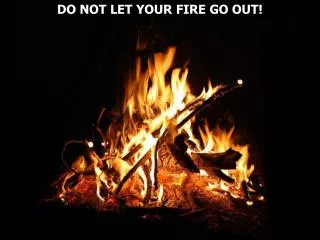
Chemical Changes • Chemical change: a change that occurs causing the identity of the substance to change • Burning • Digesting food • Reacting with other substances • A chemical change is called a chemical reaction
Chemical Changes Cont’d • Indicators of a chemical change: • Evolution of light • Evolution of heat • Evolution of a gas • Color change • Formation of a precipitate
Conservation of mass • If I have 1003 grams of ice and it melts how many grams of water do I have? • The paper has a mass of 45 grams. If I could collect all of the smoke, ash, etc after burning the paper how many grams would it weigh?