Understanding the Impact of Violence: Causes, Types, and Prevention Strategies
Violence is a critical social concern, manifesting through various forms such as bullying, hate crimes, and domestic abuse. Every 31 minutes, a homicide occurs in the U.S., highlighting the urgent need for awareness and intervention. Victims endure severe emotional and physical scars, while assailants face guilt, legal consequences, and social stigma. To prevent violence, it is essential to recognize early warning signs, control anger, and engage in effective conflict resolution strategies. This guide explores the costs of violence, its risk factors, and prevention methods to foster a safer community.


Understanding the Impact of Violence: Causes, Types, and Prevention Strategies
E N D
Presentation Transcript
Violence- threat of or actual use of physical force against oneself or another person • Victim- person who is attacked • Assailant- person who attacks another person Based on 2010 statistics in the U.S.: Every 31-minutes a death by homicide occurs. Every 14-minutes someone commits suicide. Every 2-minutes someone is sexually assaulted.
Costs of Violence • Costs to Victim • Permanent injuries • Death • Pain • Physical and emotional scars • Anger • Fear • Depression • Trouble focusing on future • Burden on family
Costs to Assailant • Serious injury • Guilt or shame • Fear of retaliation • Criminal charges • Court costs • Lawyer fees • Jail time • Trouble finding a job
Costs to Society • Financial costs • Healthcare • Taxes for law enforcement, courts and prisons • Metal detectors and security for schools • Emotional costs • Fear of violence affects daily living • Suspicious of strangers
Risk Factors for Violence • Poverty • Family Violence • Media Violence • Availability of Weapons • Drug Abuse • Membership in Gangs
Violence in Schools • Harassment- Unwanted remarks or actions that cause a person emotional or physical harm. • Bullying- the use of threats or physical force to intimidate and control another person. • Hazing- requiring a person to do degrading, risky, or illegal acts in order to join a group. • Vandalism- intentionally damaging or destroying another person’s property.
Hate Violence- speech or behavior that is aimed at a person or group based on personal characteristics. • Sexual Harassment- any uninvited and unwelcome sexual remark or sexual advance. • Stereotype- an exaggerated belief or overgeneralization about an entire group of people.
Prejudice- negative feelings about a group based on stereotypes. • Discrimination- the unfair treatment of a person or group based on prejudice. • Intolerance- a lack of acceptance of another person’s opinions, beliefs, or actions.
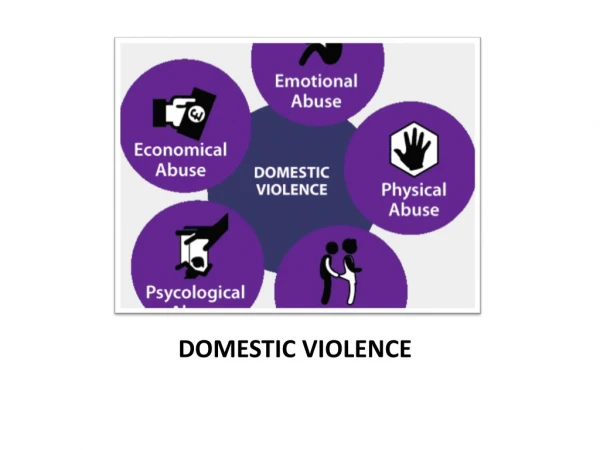
How Fights Start • Arguments • Anger – the root of most arguments and of many fights • Hurt Pride and Embarrassment • Revenge – leads to cycle of violence • Peer Pressure– more difficult to avoid a fight if bystanders are present • Instigators – people that encourage fighting while staying out of the fight themselves • Control – desire to have control over another (main reason for domestic violence)
Preventing Fights • Recognize the Conflict Early • Learn to ignore some conflicts • Be flexible • Control your anger • Confront the person wisely • Choose a time and place carefully • Stay Calm • Negotiate a solution • Do the unexpected • Provide a way out • Be willing to apologize
Helping others avoid fights • Mediation • Role as a bystander • Involve an adult
Violence Quiz. Match the following words with the correct definition: 1. Hate violence 2. Prejudice 3. Stereotype 4. Intolerance 5.Discrimination A. Negative feelings about a group based on stereotypes. • A lack of acceptance of another person’s opinions, beliefs, or actions • Speech or behavior that is aimed at a person or group based on personal characteristics. • The unfair treatment of a person or group based on prejudice E. An exaggerated belief or overgeneralization about an entire group of people.
Harassment • Unwanted remarks or actions that cause a person emotional or physical harm.
Bullying • the use of threats or physical force to intimidate and control another person.
Hazing • requiring a person to do degrading, risky, or illegal acts in order to join a group.
Vandalism • intentionally damaging or destroying another person’s property.
Hate Violence • speech or behavior that is aimed at a person or group based on personal characteristics.
Sexual Harassment • any uninvited and unwelcome sexual remark or sexual advance.
Stereotype • an exaggerated belief or overgeneralization about an entire group of people.
Prejudice • negative feelings about a group based on stereotypes.
Discrimination • the unfair treatment of a person or group based on prejudice.
Intolerance • a lack of acceptance of another person’s opinions, beliefs, or actions.