Finding the Critical Path to Change: Successful Campaign Planning and Implementation
This session explores the critical elements of planning and implementing successful campaigns through visual language and strategic framing. Highlighting the power of visuals in communication, we will discuss how people process images and form opinions, often more readily than words. Attendees will learn how to craft compelling narratives using visuals, effectively frame issues, and create impactful events that resonate with audiences. The session emphasizes proactive approaches to engagement, illustrating how successful campaigns utilize visuals to convey expectations and drive change.

Finding the Critical Path to Change: Successful Campaign Planning and Implementation
E N D
Presentation Transcript
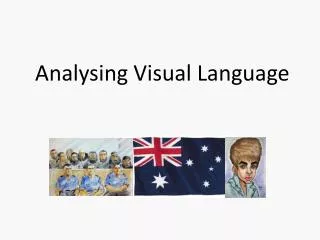
Visual Language and FramingSession 3 Finding the Critical Path to Change: Planning and Implementing a Successful Campaign February 7-11, 2011, Doubletree by Hilton Cambridge Garden House Hotel Chris Rose - Campaign Strategy Limited www.campaignstrategy.co.uk www.campaignstrategy.org
Power of visuals • After ‘being there’, the most powerful communication • Unconsciously processed: “I saw it - I made up my own mind” • Recall and use images more easily than words or numbers – construct meaning • Increasingly visual communications channels
Analogies PLEASE KNOCK Analogies IQTEST Achievement – red = danger/dominance, avoid Romance – red = available, attract
Visual language is independent of words, not a visualisation of words
The plan – use events to communicate expectations, norms before moving to policy calls Policy, regulation Expectations - norms events
testees Events Recipe
Signs and evidences of the problem- frame the problem and requirements of the solution campaignstrategy.org
You know what message you are sending - but what is received ?
What is understood Framing- unconscious categories “First we see – then we understand” Walter Lippman campaignstrategy.org
a frame can pre-determine what is good/bad relationships context and more besides roles relevant reasons how things are decided
How it works input Does it fit the frame ? NO YES Discard input, retain frame interpret through frame
The Post Office lacks money input It’s a public service It’s a business It needs more money Let it fail Frame logic A Frame logic B
The Post Office lacks money apply frames It’s a public service It’s a business It needs more money Let it fail Easy Media Dialectic Easy Debate
War on Drugs Expectation Reality mis-match
Elephant problem ‘framing’ see www.frameworksinstitute.org “First we see, then we understand”
Objective = motivate them about giraffes - they don’t know much about giraffes - they do know about elephants