Addressing Global Inequality: A Multilateral Framework for Decent Work and Migration
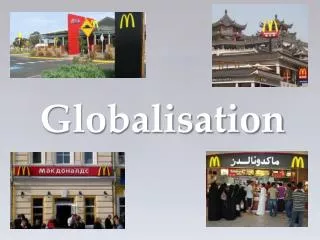
The urgent need for a multilateral framework that prioritizes people in the context of globalization is paramount. Increasing inequality within and between nations, combined with the demographic shift towards a growing labor force, necessitates action. This initiative focuses on combating poverty, improving decent work, and fostering balanced development. It advocates for lifelong learning, skills recognition, and equitable treatment for all workers, including migrants. Human rights and social dimensions are essential to achieve sustainable outcomes in international labor and migration policies.

Addressing Global Inequality: A Multilateral Framework for Decent Work and Migration
E N D
Presentation Transcript
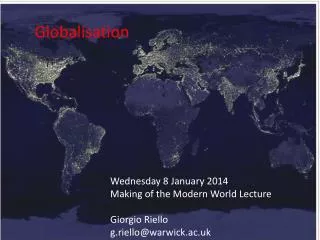
Globalisation context Massive inequality within and between countries Deficit of decent work / no choice Demographic trend – need for labourforce Greed / skills for lower price Climate change
Balanced development is needed • Multilateral framework that puts people first • Combating poverty, building DW – in the centre • Work / life balance • VET • Life long learning • Skills recognition
Positive side • In host countries: taxes and spending, work done • Remittances (150b), but … • Returnees • Multiculturism
International arena • International (WTO GATs Mode 4): labour as commodity, narrow focus on temporary and circular migration to fill gaps • IOM, GFMD • Bilateral agreements (HRs, skills, transfer) • European court of justice
Why unions? • All the workers • Size • “marked feature of global economy” • Risks and vulnerabilities
What? • Advocacy • Help and assistance • Resource and analysis • Organising and representation
ITUC work • Workshop in 2006 • SAPs • International platforms: • 2004 – ILO • 2005 – global commission on international migration and development • 2006 – HL Dialog of the UN GA on IMD • 2007 – GFMD, statement • 2008 – GU Forum on MD, before GFMD
Human rights are precondition to any fair model of globalisation • Labour is not a commodity • Normative frame: Ratification and implementation: accountability of governments: ILO Multilateral Framework • No racism and xenophobia: awareness, training etc. • Equal rights, coverage and treatment: FoA. Also undocumented: exploitation of some workers threatens all the workers. • Control over private agencies (Co.181) + ethic code • Development agenda: DW, ODA (0.7), quality public services, legal mechanisms. Migration has to be a free choice • International agreements and partnerships: strengthen cooperation, involvement of social partners and CSOs…), legal channels
Policy making • All the relevant structures to be involved • Consultations and decision making with social partners, institutionalisation • Agreements have to have social dimension
Union examples • Native speaking organisers / officers (CSC, TUC, LO-N…) • Structures to follow migrants (CISL, EAKL…) • Certification (CISL) • Vouchers / collective use of union services (FNV, Belgians…) • Participation in quotas setting (FNPR) • Affiliation and cooperation of “migrant unions” (KCTU, HKCTU, EMU - IGBau…) • Agreements of co-support (LBAS, Lo-S, LPSK etc.) • Materials in native languages (CGT, TUC, ZSSS etc.)
Union examples • UNISON/TEHY membership transfer • Overseas Nurses Networks • Joint membership (3F…) • UNI Passport and IUF reciprocity agreement • BWI world cup
Conclusions: ITUC Congress action programme • Ratification and implementation • Tripartite consultations • Respect of rights, transferability • ILS in agreements • Joint union actions • Cross-border work • Awareness and education • Campaigning and advocacy • ILO Multilateral Framework – implementation • Alliances with CSOs