The Intersection of Philosophy and Politics in Ancient Greece
120 likes | 273 Vues
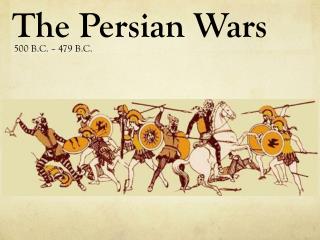
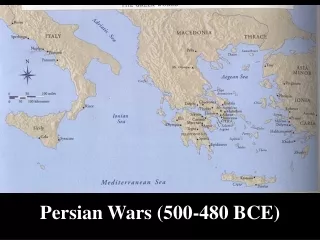
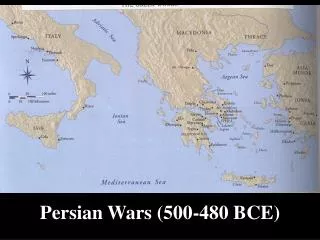
This exploration delves into the intricate relationship between philosophy and politics during the Persian Wars (500-480 BCE) and the age of the Sophists like Protagoras (490-420 BCE). It examines key philosophical concepts such as Phusis and Nomos, which discuss the nature of law and human convention. Archelaus's assertion that social order is upheld by human conventions rather than nature is analyzed alongside Shakespeare's reflection on the subjective nature of morality in "Hamlet." The role of the Athenian Assembly and influential leader Pericles (495-429 BCE) in shaping political thought is also highlighted.


The Intersection of Philosophy and Politics in Ancient Greece
E N D
Presentation Transcript
Social Contract Theory of Law • Phusis/Physis: How things are by nature, or divine order. • Nomos: human convention, law. • Archelaus: “The noble and the base exist by nomos, not by phusis.” • Shakespeare’s Hamlet: “There is nothing either good or bad, but thinking makes it so.”