Circulatory System
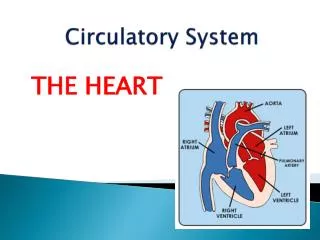
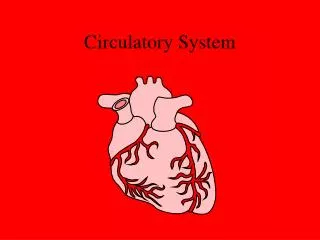
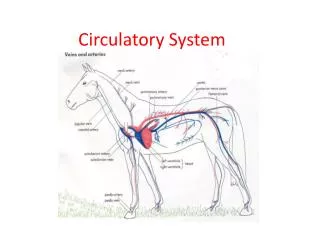
The equine heart is a four-chambered muscular organ comprised of right and left sides divided by a septum. Each side contains an atrium and a ventricle. Oxygen enters the body through respiration, then blood flows from the cranial vena cava into the right ventricle. This deoxygenated blood is pumped to the lungs via the pulmonic valve for oxygenation. Once enriched with oxygen, the blood returns to the heart through the pulmonary veins, entering the left atrium and ventricle, where it is prepared for circulation throughout the body.

Circulatory System
E N D
Presentation Transcript
The equine heart is a four-chambered muscular organ split into right and left sides by a septum. Each side has an atrium and a ventricle.
Step One: We breath in oxygen from our mouths, through our throat, to our lungs. • Blood is dumped into the right ventricle from the circulation into the cranial vena cava.
Step Two: • From the Vena Cava takes the poor oxygenated blood then flows through the right tricuspid valve to the right ventricle.
Step Four: The right ventricle contracts to pump the blood through the pulmonic valve and pulmonary arteries to the lungs, where the poor blood is made into oxygenated blood within the red blood cells.
Step Five: • The oxygenated blood returns to the heart by the pulmonary veins to the left atrium and ventricle, which are separated by the left atrioventricular valve.