Mastering Compass Use in Forestry: Directions, Azimuths, and Declination Adjustment
This lesson focuses on the essential skills of using a compass in forestry applications. Students will learn how a compass works, the significance of its magnetized needle, and how to determine direction accurately. Key objectives include comparing azimuths and bearings, adjusting for compass declination, and mastering techniques that are crucial for competitive events in Forestry Career Development Events (CDE). By the end of the lesson, participants will be equipped to determine direction with precision, convert between azimuths and quadrants, and demonstrate critical compass adjustment skills.

Mastering Compass Use in Forestry: Directions, Azimuths, and Declination Adjustment
E N D
Presentation Transcript
Lesson 4: Compass Use Forestry I Course 03.451 Modified by Georgia Agricultural Education Curriculum Office July 2002
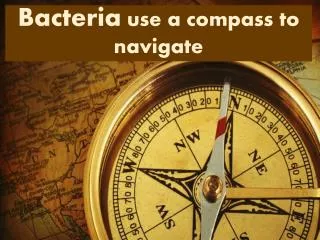
Which way is North? • A compass consists of a magnetized needle on a pivot point • Enclosed in a circular housing that is graduated by degrees • Where is the Magnet? • The Earth!!
What are our objectives? • Determine direction with a compass • Compare azimuths and bearings • Adjust compass declination
Forestry CDE • Compass use is a part of the Forestry CDE • Mastering usage of the compass could lead to numerous possibilities in competition
When we are finished we will be able to . . . • Determine with little margin of error using a compass • Compare and convert azimuths and quadrants • Demonstrate the ability to adjust compass declination