Download
1 / 22
220 likes | 335 Vues
This overview explores the vital concepts of homeostasis, natural selection, and cellular processes. Homeostasis is essential for maintaining balance in organisms, regulating temperature, sugars, and pH levels, impacting respiration and organ function. We also delve into natural selection's role in survival and adaptation, emphasizing genetic traits and fossils that trace common ancestry. Key terms include cellular respiration, mitosis, meiosis, and gene expression. This foundational understanding aids in grasping the complex interconnections in biological systems.

E N D
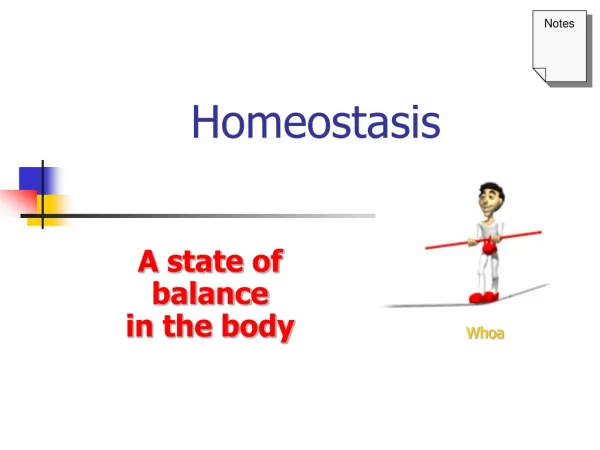
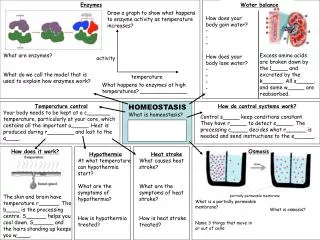
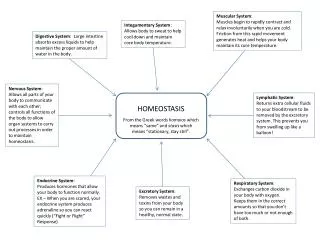
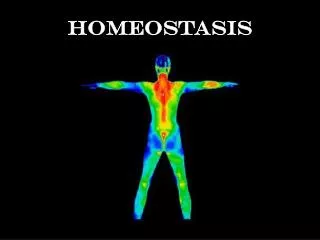
Homeostasis • Balance • Temperature • Sugars – liver/pancreas – insulin • Kidneys – water/ filter waste Chemical balance – pH respiration – oxygen and carbon dioxide
A – nonspecific defense B – Nervous system – control of our muscles
A – no such Thing B – correct Answer – chemical changes affect pH C – wrong D – Thermal = heat Receptors are found on the cell membrane
Natural Selection • Survival • Genes • Adaptation • Traits • Environment/Habitat • Fossils – common ancestry homologous structures
Episodic – chapters – different things happen over time Temporal – TIME Geographic – location Behavioral – How they act
Mitochondria • Energy • ATP - Product • Cellular Respiration • Glucose - Reactant • Oxygen Carbon Dioxide
A – lysosome – break down and remove wastes B – Correct Answer C – messenger RNA – translates to proteins D – Golgi Bodies – Transport proteins out of the cell
Boys have XY – only 1 X chromosome They get their X chromosome from their MOTHER -
Alleles • Genes • Traits • Genotype • Phenotype • Homozygous – two of the same gene • Heterozygous – Two different genes • X- linked • Genetic disorders • Dominant • Recessive • Co-dominant - both alleles are equally dominant
Aerobic – OXYGEN – cellular respiration requires oxygen Anaerobic – does not require oxygen
Lethal = Deadly The gene must be recessive if you are a carrier C is the correct answer – a carrier has one copy of the lethal allele
Meiosis • Sex cells • Reproduction • Haploid – One set of chromosomes • Sperm/egg • 2 cycles • 4 haploid cells result • Crossing – Over – genes are exchanged from one chromosome to the other
N is the number is the number of chromosomes Each sex cell has “n’ number of chromosomes after fertilization they combine and have 2n number of chromosomes
Codon • Proteins/Amino Acids • DNA • RNA /mRNA • Base Pairs – 3 Base pairs = 1 codon • Transcription • AGCT – DNA AGCU = RNA
DNA HAS NO U’s C – Base Pairing is incorrect Correct Answer is B
The correct answer is C – The arrangement and sequence of amino acids is important in defining which protein you have
Cell Membrane • PhospholipidBilayer – heads and tails • Protein Channels • Controls what enters and exits • Diffusion • Semi-permeable – allows some things to pass through
Vocabulary • Succession • Polyploidy • Population Model • Aerobic • Genetic Drift • Temporal • Episodic • Geographic • Barrier • Semi/permeable/conservative`