Understanding Leaf Structure: The Role of Epidermis, Stomata, and Chloroplasts
80 likes | 203 Vues
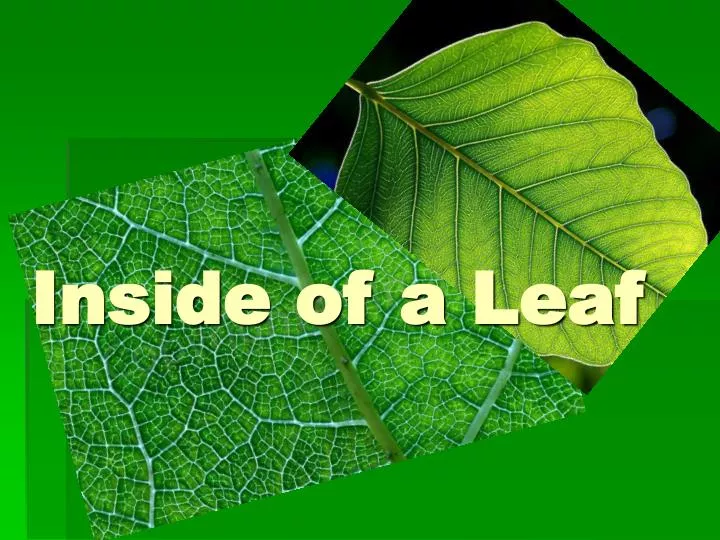
The leaf epidermis protects the upper and lower surfaces, akin to skin for the body. Veins transport water and nutrients, connecting leaves to stems and roots. Without leaves, a plant struggles to survive due to lack of photosynthesis. Stomata are tiny openings that facilitate gas exchange and water regulation. Inside the leaf, chloroplasts containing chlorophyll enable plants to convert sunlight into energy, giving them their green color. Explore the critical functions and components of a leaf to understand their importance in plant health.


Understanding Leaf Structure: The Role of Epidermis, Stomata, and Chloroplasts
E N D
Presentation Transcript
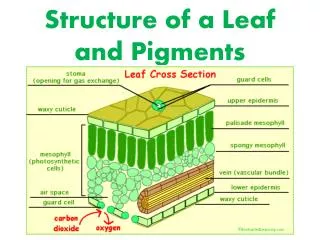
Epidermis The epidermis protects the leaf on the TOP and BOTTOM. Think about your body without skin. That would be like the leaf without its epidermis.
Vein ~take water to the leaf. ~give food and water to the stems and roots. FOOD and WATER to stem and roots WATER to leaf
Pause and think. . . • If the veins of the leaf give FOOD and WATER to the stem and roots, what would happen to a plant with no leaves?
Stomata are tiny openings in the leaf. They let water and gases in and out of the leaf. Stomata
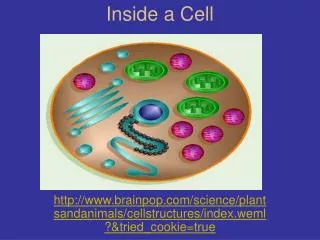
Chloroplasts cells inside of the leaf Chlorophyll Chlorophyll gives plants their green color. Chlorophyll is inside of chloroplasts.
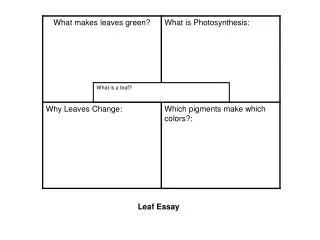
Do you know where the labels go? stomata chloroplast chlorophyll epidermis vein