Understanding Symbiosis: Types and Examples of Mutualism, Commensalism, and Parasitism
50 likes | 192 Vues
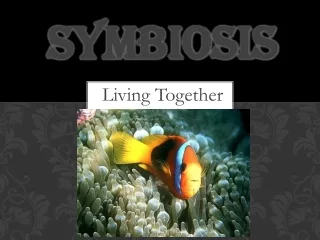
Explore the fascinating world of symbiosis, where different species interact in various ways. Discover mutualism, where both species benefit from their relationship, exemplifying a win/win scenario. Learn about commensalism, where one species gains advantages without affecting the other—illustrating a win/no effect situation. Delve into parasitism, a relationship harming one species while benefiting another, marking a win/lose dynamic. Understand how ticks exemplify parasitism and the importance of prevention methods like bug spray.


Understanding Symbiosis: Types and Examples of Mutualism, Commensalism, and Parasitism
E N D
Presentation Transcript
Adrian Goodman And Kenny Grose Symbiosis Project
Mutualism Win/Win scenario Both species are benefited
Commensalism • One species benefits and the other species is not affected at all • Win/No effect scenario
Parasitism • A type of symbiosis where one species is harmed and the other is helped • Win/Lose scenario +/-
Types of Parasitism • An example ticks on people • The tick gets blood as food • The human itches • The way to help is to use bug spray