Virus: Microlife Infectious Diseases
120 likes | 239 Vues
This module focuses on understanding viruses, how they invade human cells, and their effects on health. It outlines key concepts in infectious diseases, including types of pathogens and cycles of viral infection. Participants will learn to differentiate between the lytic and lysogenic cycles of viruses, with real-world examples like HIV and Influenza. The course will also cover methods of disease transmission, including carriers and vectors, and discuss vaccination as a defense against viral infections. Gain insights into the nature of viruses and their role in health and disease.


Virus: Microlife Infectious Diseases
E N D
Presentation Transcript
Virus: Microlife Infectious Diseases Objective: you will be able to understand and explain how viruses attack and effect human cells
Intro: Infectious Disease Terms • Disease which travels easily from one organism to another: Can also travel between species as well • Pandemic – fast spreading international outbreak • Epidemic- wide spread out break of disease at a specific location Asian Bird Flu 2007
Pathogen • Pathogen- Any organism that causes diseases • Carrier- any human giving a disease to another human • Vector- any NON-HUMAN source of a disease being passed on to a human • Diseases are primarily responsible for damaging individual cells, which causes us “sickness” symptoms” as cells break down • Ex: sore throat
4 Forms of Pathogens • Virus • Bacteria • Fungi • Protists Bacteria
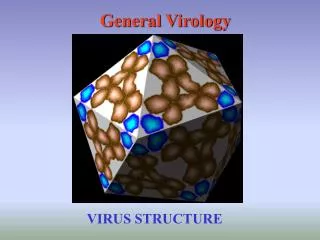
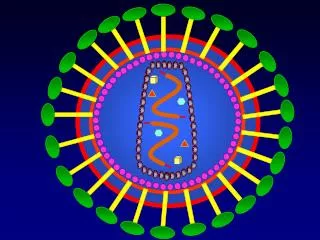
Viruses • Non- Living: Do not require any energy to survive; No food/gas needs • Extremely Small Organism made up of DNA or RNA and a Protein Coat : CAPSID • Only capable of reproducing itself by “hi-jacking” another cell HIV Virus
3 Main forms of Viruses • (Norovirus) /Polyhedral • Bacteriophage • (Filovirus)/ Rod Shaped )
All viruses have two types of infection cycles • Lytic Cycle (Active) show signs of sickness immediately • Lysogenic Cycle (Non Active) no illness creates “provirus cells” within body then becomes active
Lysogenic Cycle • Shows no disease symptoms, may carry virus for years • FACT: HIV can stay like this for over 10 YEARS!! • 1. Virus attaches to host • 2. Viral DNA integrates or combines with cells DNA; becomes a “provirus” cell • 3. As cell splits and divides virus replicates with cell creating more “provirus” cells • 4. Some trigger activates virus: become ill
Lytic Cycle • Show disease symptoms • Virus actively attacking cells • 1. Virus attaches to host cell • 2. Virus enters host cell • 3. Virus destroys host cell’s DNA, replaces DNA with its own VIRAL DNA • 4. “Hijacked” cell creates more Viral DNA and protein coating • 5. Lysis-host cell ruptures and releases hundreds of new virus to attack more cells
Common Viruses • Chicken pox • Herpes • HIV • Ebola • Epstein Bar (mono) • Mumps • Warts • Influenza • Hepatitis • Common Cold