Download
1 / 26
261 likes | 418 Vues
This presentation by Brendan McConaghy, Lead Physiotherapist in Occupational Health, unveils the pressing issue of sickness absence within Belfast Trust, highlighting a 5.5% absenteeism rate that costs approximately £4.1 million annually due to musculoskeletal (MSK) issues. Drawing upon influential reports and successful case studies, the discussion emphasizes the importance of early intervention strategies, including rapid referral processes and the biopsychosocial model of care. The presentation also outlines funding strategies, outcomes from pilot trials, and future directions for enhancing workforce health and productivity.

E N D
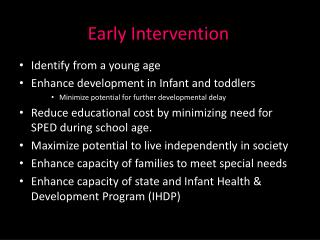
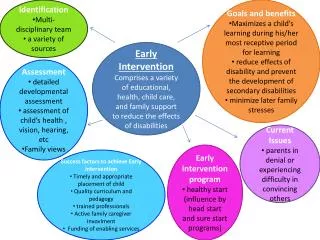
Early Intervention Physiotherapy Brendan McConaghy Lead Physiotherapist Occupational Health Belfast Trust
A look at the Size of the problem • Sickness absence rates at April 2013 = 5.5% • Costing the Belfast Trust £4.1million for MSK absence alone
Whats the evidence for a solution? • Black Report 2008 • Boorman review 2009 • Frost- Black report 2011 • York Teaching Hospital- Savings of £1.2million/ year • Staffordshire County Council- Savings of £100,000/ month • Orthopaedic hospital Trust in Oswestry- 1200 employees saved £250,000
Securing the funding • Accessing and influencing the right people • Chief Executive • Directors • Senior HR managers • Union Reps • Employees
Previous level of function Needed level of function Current level of function
Pain level Further exposure Time
From this … • … to this.
Assessment • Functional assessment
Process optimisation • Emailed referrals • Rapid assessment • Clinician typed reports • Emailed reports in under 48hrs • Rapid access to treatment
Immediate emailed referral on commencement of sick leave • Appointment in 5 working days • Emailed report within 48hours
NIAS trial • 12 week trial of Early Intervention Physiotherapy. • Resulted in reductions in average time on sick leave by 48% • Saving £3.58 for every £1 spent • Led to NIAS funding of 1WTE Physiotherapist to provide service for 1200 employees
Some funding challenges were overcome • SPCS selected as they had the most costly MSK sickness absence £1.14million
Outcomes • 275 individuals were referred over the 6 month period • 31% were on sick leave • 35% compliance • Average time to referral of 16 days • Average waiting time of 6 days • The process sped by 12 days
Reduction in number of episodes of MSK sick leave of 12% • Acute directorate fell by 0.5% • Reduction in MSK days lost of 14.8% • 17% rise in MSK absence in Acute Services • 3.6% reduction in total days lost within SPCS for all conditions
Reduction in cost of MSK sickness of an estimated £49,928 during trial period • £99,856 per year
Roll out • Calculations based on analysis of SPCS trial data indicates that a ratio of 1 Physiotherapist: 3000 employees is needed • 6.5 Physiotherapists would be needed for the Belfast Trust (currently have 5wte)
Secured the opportunity to present at the Executive Team meeting • Gained agreement for £136,684 funding to recruit 3.25 wte mid- point Band 6 physiotherapists and 1.0 mid- point Band 3 clerical officer. • If reductions in days lost made in SPCS trial can be replicated across the Trust there would be a saving of £615,000 per year. • If NIAS saving can be replicated there is the potential for savings of £1.96million…
Challenges ahead • In March 2014 the OH physios were pulled from OH into core. • On-going funding issues hindering recruitment of full quota of physiotherapists.
Where are we now? • Rolling out in the Belfast Trust • Monthly monitoring and service improvement • Region wide roll out?