Download
1 / 23
230 likes | 342 Vues
This comprehensive overview explores the stages of fetal development from implantation through labor and delivery, detailing the differentiation of the blastocyst into germ layers and the role of the placenta. It highlights the significance of extraembryonic membranes, the mechanics of fetal circulation, and hormonal controls. Additionally, the text addresses chromosomal abnormalities such as Down syndrome, Edwards syndrome, and Turner syndrome, emphasizing the impact of aneuploidy on development. Proper nutrition and avoidance of harmful substances are critical for healthy fetal development.

E N D
Fetal Development Labor and delivery Chromosomal abnormalities
After implantation, cells of blastocyst start to differentiate into three germ layers Ectoderm- skin and nervous system pituitary gland Mesoderm- connective tissue and muscle endocrine, cardiovascular, skeletal systems Endoderm- digestive, respiratory, urinary, reproductive systems
By blastocyst By placenta
“Extraembryonic membranes” Start forming after implantation Yolk sac- trasnport of nutrients, red blood cell formation. Role reduced> 6 weeks Amnion- encloses amniotic cavity. Fluid cushions developing embryo/fetus Allantois- forms urinary bladder; umbilical cord Chorion- blood vessels help nourish embryo; develops into placenta
Placenta Umbilical arteries and veins provide fetal circulation Maternal circulation does not actually mix with fetal blood Gas and nutrient exchange takes place here Secretes estrogen and progesterone to maintain endometrium
Labor and childbirth Labor oxytocin (hypothalamus) prostaglandins Fetal adrenal gland produces cortisol and an estrogen precursor; makes uterus more sensitive to oxytocin and prostaglandins CRH secretion by placenta triggers fetal adrenal gland activity
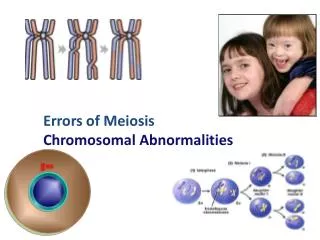
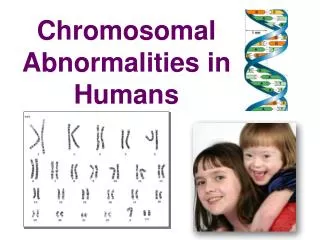
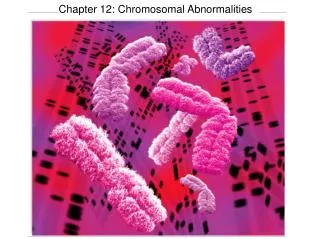
Developmental defects Aneuploidy (“wrong” number of chromosomes) Karyotyping- chromosomal analysis Down syndrome- trisomy 21 Edwards syndrome- trisomy 18 Patau syndrome- trisomy 13 Triploidy- an extra set of chromosomes
Abnormal number of sex chromosomes XO- Turner syndrome XXY- Klinefelter syndrome XYY syndrome Arises due to “mistakes” in meiosis Developmental problems- spontaneous or due to exposure to harmful substances (teratogens)
Proper fetal development depends on: Nutrition Freedom from infection Avoidance of drugs and alcohol Avoidance of smoking lowers vitamin levels substances in smoke can cross placental barrier
Development does not stop at birth! Neonate- rapid growth and neurological development Puberty- sexual maturation “Secondary sexual characteristics” Aging-?
Contraception- prevention of pregnancy Sterilization Abstinence Hormonal (birth-control pills) male pill? Anti-implantation Barrier
Infertility Artificial insemination Egg donation Embryo transfer In vitro fertilization Intrafallopian transfer
Summary • Progression from gametes to zygote to multicellular organism • Development, labor and delivery under hormonal control • Aneuploidy leads to serious developmental defects • Development does not stop at birth