The Genesis of Canaan: City-States and the Dichotomy of Wealth and Worry (3000-2200 BC)
70 likes | 201 Vues
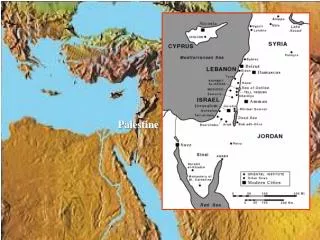
Explore the historical landscape of Palestine during the Genesis era, focusing on the collection of city-states from 3000-2200 BC. This period witnessed a significant collapse around 2200 BC due to unknown reasons—possibly climate change, internal conflicts, or external invasions. Shortly after this collapse, Abraham enters the scene around 2100 BC, living a nomadic life among a region marked by both wealth and worry. Despite Abraham’s prosperity, archaeology reveals layers of destruction and conflict. Discover how Canaan's dynamic changed over time, leading to its eventual subjugation by foreign powers.


The Genesis of Canaan: City-States and the Dichotomy of Wealth and Worry (3000-2200 BC)
E N D
Presentation Transcript
Canaan • 3000-2200: Collection of city-states • Major collapse in 2200 B.C. • Reasons unknown. Weather? Internal conflicts? External invasion? • Abraham enters shortly after collapse (ca. 2100 B.C.) • Nomadic life • Lived in tents (“tent” 22x in Gen) • No major cities found through archaeology
Canaan • Place of both WEALTH and WORRY • WEALTH • Abraham was loaded • Gen. 14:14 he has 318 trained men • Tons of livestock • Lot was loaded (has to part from Abe) • “Extrabiblically it is known that patriarchal Palestine was a prosperous, but precarious place to live” (Hoerth, 96). • WORRY • Archaeology shows many layers of destruction • “War of the Kings” (Gen 14)
Canaan • 2000-1446 (i.e. while Israel was in Egypt • Return to urbanization (city-states) • I.e. Canaan during Genesis looks different than Canaan during Joshua. • Between 1700 and 1550, Canaanites known as the “Hyksos” invaded and ruled over Egypt. • Expelled in 1550, when Ahmose (Egyptian ruler) took over. • 1550-1446 • Egypt on the rise • Canaan subject to Egyptian empire