Effective Strategies for Assisting Small Craft in Sheltered Waters
This presentation outlines essential principles for safely managing small craft in sheltered environments. Key actions include counting heads, assessing if help is needed, and recovering students to shore if necessary. It emphasizes the importance of turning off the engine near individuals in the water, involving casualties in their own rescue, and recognizing the potential for various issues such as gear failure and fatigue. The guide also provides practical steps for de-rigging equipment to ensure a safe and efficient response during emergencies while remaining vigilant for other sailors in the vicinity.

Effective Strategies for Assisting Small Craft in Sheltered Waters
E N D
Presentation Transcript
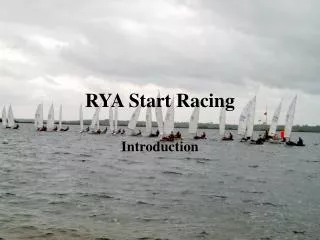
RYA safety boat presentation Suggested methods for dealing with small craft in a sheltered environment
Guiding principles • Count heads! • Ask if help is required, and if so, what. • Recover and return students to shore if the situation is becoming serious. • Leave the craft ‘tagged’ to let other crews know it has been dealt with. • Don’t become another casualty yourself .
Guiding principles • If students are in the water near to your boat, turn the engine off. • Even if they are not, consider turning the engine off. • Involve the casualties in their rescue. • Holding or raising the tip of the mast may be all that is required if sailors are tired. • Whilst dealing with a rescue, the rest of the fleet may be without cover. Remain alert for them.
Short board sailors • Sailors dressed for immersion. • Likely problems are….. • Gear failure. • Wind dropped. • Wind too strong. • Fatigue. • So initially… ask sailor to de-rig kit.