Integrating Environmental and Human Subsystems: A Comprehensive Framework for Sustainable Development
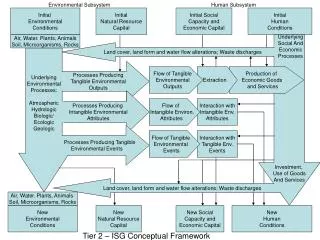
This framework explores the intricate connections between environmental and human subsystems, focusing on initial and new conditions across natural resource capital, social capacity, and economic capital. It discusses the cyclical processes influencing air, water, soil, and biodiversity, highlighting how waste discharges and land alterations impact environmental outputs. The model incorporates underlying atmospheric, hydrologic, and biologic processes, emphasizing the flow of tangible and intangible attributes. Ultimately, it aims to guide sustainable development practices and enhance the resilience of both human and environmental systems.

Integrating Environmental and Human Subsystems: A Comprehensive Framework for Sustainable Development
E N D
Presentation Transcript
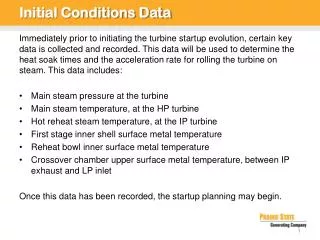
Environmental Subsystem Human Subsystem Initial Environmental Conditions Initial Natural Resource Capital Initial Social Capacity and Economic Capital Initial Human Conditions Underlying Social And Economic Processes Air, Water. Plants, Animals Soil, Microorganisms, Rocks Investment, Use of Goods And Services Land cover, land form and water flow alterations; Waste discharges Underlying Environmental Processes: Atmospheric Hydrologic Biologic/ Ecologic Geologic Processes Producing Tangible Environmental Outputs Flow of Tangible Environmental Outputs Extraction Production of Economic Goods and Services Processes Producing Intangible Environmental Attributes Flow of Intangible Environ. Attributes Interaction with Intangible Env. Attributes Processes Producing Tangible Environmental Events Flow of Tangible Environmental Events Interaction with Tangible Env. Events Land cover, land form and water flow alterations; Waste discharges Air, Water. Plants, Animals Soil, Microorganisms, Rocks New Environmental Conditions New Natural Resource Capital New Social Capacity and Economic Capital New Human Conditions Tier 2 – ISG Conceptual Framework