Exploring Cell Biology: Structure, Functions, and Processes of Life
110 likes | 239 Vues
In this comprehensive overview of cell biology, we will explore the various parts of the cell and their specific functions. We'll differentiate between unicellular and multicellular organisms, highlighting how cells form new cells through processes like mitosis and meiosis. The cell theory, which states that all living things are made of cells, will be examined alongside historical milestones, such as Robert Hooke's discovery of cells and advancements in microscopy. Join us as we uncover the intricate workings of animal and plant cells, including their specialized organelles and the processes of osmosis and diffusion.


Exploring Cell Biology: Structure, Functions, and Processes of Life
E N D
Presentation Transcript
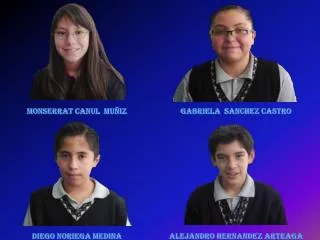
Monserrat canulmuñiz Gabriela sanchez castro Diego noriega medina Alejandro hernandez arteaga
TheCell • We’lldiscover: • Thedifferentparts of thecell and theirfunctions. • Howcellsmake new cells.
Multicellular • Eachcellperformsspecializedjobs. • Unicellular • Onecelldoesallthejobs. Human Bacteria Animal
THE CELL THEORY • All living things are made • of oneor more cells. • Cells are the basic unit • of living things. • All cells come from • existingcells.
1663-Robert Hookediscovers cells • 1831-Robert Brown discovers the cell • nucleus • 1838-Matthias ShleidenproposestheCell • Theory • 1857-Albrecht von Köllikerfinds • mitochondria in muscle cells • 1865-Julius von Sachs shows that • chlorophyllislocated in chloroplasts • 1931-Ernst Ruska & Max Knollinventsthe • electronmicroscope • 1953-George E. Palade describes ribosomes
ANIMAL CELL Eachorganelleperformsdifferenttasks.
PLANT CELL Plantcellscontainchloroplasts, theorganellesthatcontainchlorophylltocarryonphotosynthesis.
DIFFUSIOn It’sthemovement of a substancefromanarea of itshigherconcentrationtoanarea of itslowerconcentration
Osmosis It’sthemovement of wateracrossthecellmembrane.
Howcellsgrow and divide DNA Chromosomes Celldivision MITOSIS Theprocess in whichcellnucleus divides. MEIOSIS Theprocess in which sex cells are formed.
Welearntthatall living things are made of • cells and foreveryactivitywe do, wehave • specificcells. • Wealsolearntthat osmosis and diffusion • are alikeprocesses in someways. • Itwasdifficulttowork in team, butfinally • wedidit.