Exploring Internet Jurisdiction: Frameworks and Challenges in a Federal System
70 likes | 200 Vues
This project delves into the complexities of internet jurisdiction within a federal legal system, analyzing key themes and alternatives. It examines how state law asserts jurisdiction while adhering to due process constraints under federal law, informed by international law standards. The discussion covers significant cases such as Compuserve v. Patterson and explores the standards of minimum contacts, purposeful availment, and the Zippo continuum. Furthermore, it addresses the evolving nature of virtual employment, hybrid regulation, and backup enforcement by public agencies, highlighting the need for effective jurisdictional mechanisms.


Exploring Internet Jurisdiction: Frameworks and Challenges in a Federal System
E N D
Presentation Transcript
ABA Internet Jurisdiction Project Chicago-Kent College of Law Illinois Institute of Technology Henry H. Perritt, Jr., Dean & Professor of Law Margaret G. Stewart, Professor of Law & Reporter
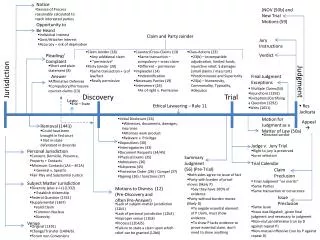
Introduction and overview • Jurisdiction in a federal system • Internet as a paradigm • ABA Jurisdiction project: themes and alternatives
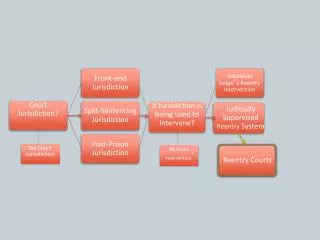
Jurisdiction in a federal system • Affirmative assertion of jurisdiction: state law • Subject to due process constraints under federal constitution • ~ limits on adjudicatory jurisdiction under customary international law
Internet as a paradigm • Contract • Compuserve v. Patterson • Forum selection clauses • Tort (AT, TM, Banking, Defamation) • claim arises out of minimum contacts = purposeful availment • + fair play and substantial justice
Zippo continuum P(j) Zippo Targeting Int’l Star Registry Millenium Cybersell Contracts with residents; knowing, repeated exchange Passive site Interactive site
Additional issues • Virtual employment • Details of hybrid regulation • minimum public law requirements • backup enforcement by public agencies • mechanisms for deference