Download
1 / 10
100 likes | 221 Vues
This presentation delves into the Indian Removal policies of the 19th century, focusing on the Cherokee and Seminole nations. It examines the Cherokee's resistance against forced removal through legal battles, such as Cherokee Nation v. Georgia, and the nuanced leadership of figures like John Ross. The discussion also covers Seminole resistance during the Second Seminole War, highlighting the roles of leaders like Osceola. Analyzing these struggles provides insights into the socio-political dynamics of removal, its impacts on the antebellum South, and the broader implications for U.S. history and Indigenous rights.

E N D
Indian Removal: Resistance, Impacts, Lessons Prof. Greg O’Brien Department of History University of Southern Mississippi
Cherokee Removal • Cherokee Sovereignty: • Written Constitution, 1827 • Land sales to non-Cherokees illegal, punishable by death • Written Language • Sequoyah • Newspaper • Economic success • Plantations, Slaves, Cotton • Education • Politically astute Cherokee Phoenix Newspaper
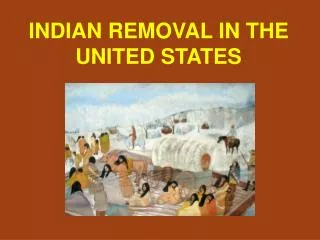
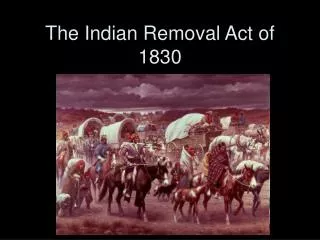
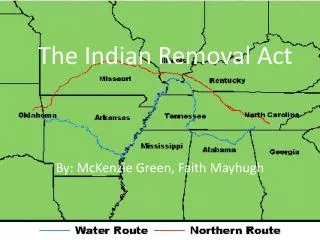
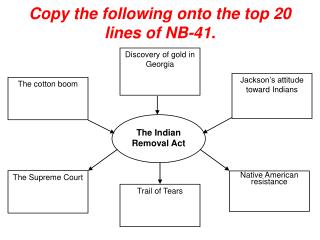
Cherokees Resist Removal John Ross, Chief of the Cherokee Nation • John Ross • Cherokee Nation v. Georgia, 1831 • Worcester v. Georgia, 1832 • Betrayal by an aspiring elite: • Treaty of New Echota, 1835 • the Ridges, Elias Boudinot, Stand Watie, etc. • Forced Removal, 1838 Trail of Tears
Seminole Resistance • Ft. Moultrie Treaty, 1823 Removal: • Treaty of Payne’s Landing, 1832 • Seminole leaders inspect Indian Territory • Apalachicola Treaty, 1832 • This group moved to Texas • Treaty of Ft. Gibson (Indian Territory), 1833 • Merger with Creeks • Fraudulent?
2nd Seminole War, 1835-1842 • Resistance to forced removal • Role of escaped slaves / African Seminoles • Osceola as symbol • Captured Oct 21, 1837 • Died of malaria Jan 20, 1838 • Costs
Creating the Antebellum South • Mississippi’s and Alabama’s “Flush Times” • Expansion of Cotton & Slavery Indian land cessions in Mississippi
From an Indian South to an American South Cotton Production 1820 – 1840.