Understanding Covalent and Ionic Bonding: Key Differences and Molecular Compounds
This guide explores the fundamental differences between covalent and ionic compounds, emphasizing the nature of chemical bonds. Covalent bonding involves the sharing of electron pairs between atoms, resulting in molecules that can consist of two or more non-metals. We discuss features of molecular compounds, such as molecular formulas that indicate the quantity of each element without revealing atomic structure. Examples include common compounds like water (H2O) and carbon dioxide (CO2), helping you grasp essential concepts in chemistry.

Understanding Covalent and Ionic Bonding: Key Differences and Molecular Compounds
E N D
Presentation Transcript
Covalent Bonding Molecular Vs. Ionic Compounds
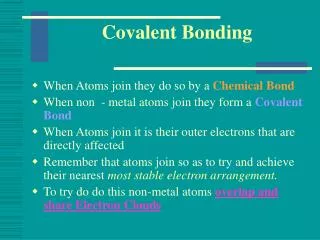
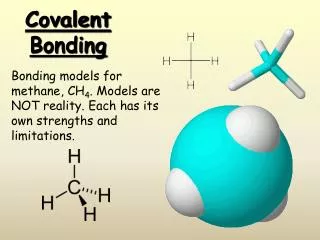
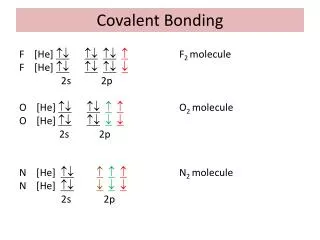
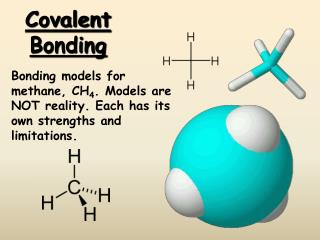
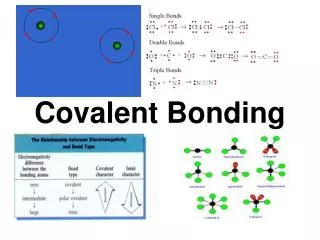
I. Molecular Vs. Ionic • Covalent Bond: A chemical bond characterized by sharing of pairs of electrons between atoms. • Molecule: an electrically neutral group of two or more atoms held together by covalent chemical bonds. • Diatomic Molecule: Molecule of only two elements covalently bonded together; H2, N2, O2, F2, Cl2, Br2, I2 • Molecular Compound: Compound formed by two non-metals sharing pairs of electrons. • Characteristics of Molecular Compounds: See chart
kkkkkkkkkkkkkkkkkkkkkkkkkkkkkkkkkkkkkkkkkkkkkkkkkkkkkkkkkkkk
II. Molecular Formulas • The chemical formula of a molecular compound; shows how many of each element a molecule contains. It does not tell you anything about the structure or arrangement of atoms. • H2O • CO2 • NH3