Download
1 / 7
70 likes | 193 Vues
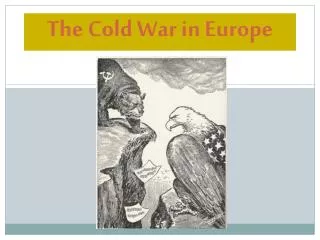
The late 1940s marked a significant period in the Cold War, characterized by heightened tensions between democratic capitalist nations led by the U.S. and the Communist Soviet Union. Following the Potsdam Conference, Europe was divided, with Germany split into East and West, and Berlin symbolizing the divide. President Truman's containment policy aimed to prevent the spread of communism, which was first tested in Greece. The Berlin Blockade in 1948 initiated a major crisis, prompting the U.S. to airlift supplies to West Berlin. In 1949, NATO was established to counter the Soviet influence.

E N D
Cold War in the Late 1940s • The Cold War: Period of high tension between democratic/capitalist and Communist countries throughout the world. • No direct conflicts between the two major players: the U.S. and Soviet Union • Both sides had built up large piles of nukes, but they were never used
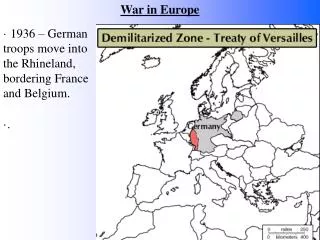
Cold War in the Late 1940s • At the Potsdam Conference the Allies were discussing the future of Europe (esp. Germany) • Soviet Union wanted to bring East Europe under its communist influence
Cold War in the Late 1940s • Germany was split into two main zones • Soviet Union ran the eastern half by itself • Huge sacrifices in the war and its troops already controlled that part of Germany • Berlin (Germany’s capital) was also split • Berlin was deep in the Russian half, though…
Cold War in the Late 1940s • 1947: U.S. President Truman announces his policy of containment: The U.S.’s commitment to stop the spread of communism • Would not effect countries that were already communist or chose communism freely. • First tested when communists attempted to take over Greece
Cold War in the Late 1940s • 1948 Berlin Blockade: Soviets blocked any boat, trains, or truck from entering West Berlin (run by the U.S./Britain/France) • The U.S. responded by airlifting (flying) in food, medicine, and other supplies to the Berliners • The Russians gave in by May 1949
Cold War in the Late 1940s • 1949: NATO (North Atlantic Treaty Organization) was formed as an alliance against Communism in Europe • If one member was attacked, all other members were required to help • Formed by U.S., Canada, and most of Western Europe