Understanding Pollution: Types, Effects, and Solutions
Pollution refers to the introduction of contaminants into the environment, leading to instability and harm to ecosystems and living organisms. It can take various forms, including chemical substances and energy types like noise and heat. Water, air, and soil pollution are prominent issues, often caused by fertilizers, industrial waste, and harmful emissions, which result in acid rain, health problems, and climate change. Solutions include reducing emissions, proper waste management, and promoting sustainable practices to protect our environment and health.

Understanding Pollution: Types, Effects, and Solutions
E N D
Presentation Transcript
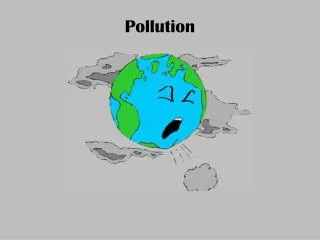
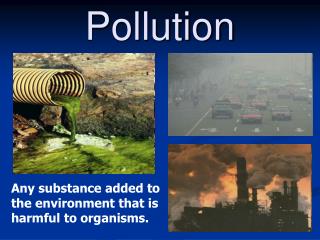
What is Pollution? • Is the introduction of contaminants into an environment.
General Effects: • Instability, disorder, harm or discomfort to the physical systems or living organisms therein.
Forms of Pollution • Chemical substances, or energy, such as noise, heat, or light energy .
Classification Can be foreign substances or energies. • Contaminants • Pollutants Naturally occurring, when they exceed natural levels.
Environment Pollution • Water • Air • Soil
Water pollution • fertilizers, oil, solvents, cleaning products and painting • Water used to cool off the machinery of an industry. • Organic matter • i.e. volcanic eruptions • Toxic • Thermal • Organic • Ecological
Consequences: • Acid rain
Soil Pollution Soil Degradation • Desertification • Pollution
What is Desertification? • Process in which fertile soils in semi-arid regions lose their capability to sustain as much or even.
Air Pollution • The release of harmful contaminants or substances.
Main Pollutants • Ozone • Particulate Matter • Carbon monoxide • Nitrogen Oxides • Sulfur dioxide • Lead
Effects: • Ecosystems • Reduction of visibility • Global warming • Health: • Irritation and inflammation • Breathing difficulties • Lung damage • Heart disease • Vision problems • Premature death