Organizational Commitment
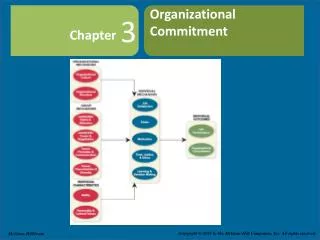
Organizational Commitment. Chapter 3. Affective Commitment. A desire on the part of an employee to remain a member of an organization because of an emotional attachment to, or involvement in, that organization You stay because you want to What would you feel if you left anyway?.

Organizational Commitment
E N D
Presentation Transcript
OrganizationalCommitment • Chapter 3
Affective Commitment • A desire on the part of an employee to remain a member of an organization because of an emotional attachment to, or involvement in, that organization • You stay because you want to • What would you feel if you left anyway?
Continuance Commitment • A desire on the part of an employee to remain a member of an organization because of an awareness of the costs associated with leaving • You stay because you need to • What would you feel if you left anyway?
Normative Commitment • A desire on the part of an employee to remain a member of an organization because of a feeling of obligation • You stay because you ought to • What would you feel if you left anyway?
Exit-Voice-Loyalty-Neglect • A framework that includes potential responses to negative events • Exit • Ending or restricting organizational membership • Voice • A constructive response where individuals attempt to improve the situation
Exit-Voice-Loyalty-Neglect • A framework that includes potential responses to negative events • Loyalty • A passive response where the employee remains supportive while hoping for improvement • Neglect • Interest and effort in the job is reduced
Withdrawal • A set of actions that employees perform to avoid the work situation • One study found that 51% of employees’ time was spent working • The other 49% was allocated to coffee breaks, late starts, early departures, and personal things
Withdrawal • Key question: • How exactly are the different forms of withdrawal related to one another? • Independent forms • Compensatory forms • Progression
Application • Employees are more committed when employers are committed to them • Perceived organization support • Fostered when organizations: • Protect job security • Provide rewards • Improve work conditions • Minimize politics