Tools of Science
370 likes | 496 Vues
This guide outlines key tools and methods for conducting science inquiry in the classroom. It emphasizes the importance of student proficiency in using various scientific instruments—from calculators and microscopes to sound recorders and safety goggles. By effectively collecting and analyzing data with these tools, students enhance their understanding of scientific processes. The document is aligned with educational standards, encouraging inquiry-driven learning through hands-on experiences. Explore how to incorporate these instruments into your science curriculum for holistic student development.


Tools of Science
E N D
Presentation Transcript
Tools of Science Adapted by Corry Thompson/ LISD
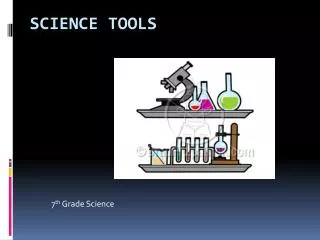
(5.4) Scientific processes. The student knows how to use a variety of tools and methods to conduct science inquiry. Also see: (4.4) (3.4) (2.4) (1.4) (K.4) The student is expected to: (A) collect and analyze information using tools including calculators, microscopes, cameras, sound recorders, computers, hand lenses, rulers, thermometers, compasses, balances, hot plates, meter sticks, timing devices, magnets, collecting nets, and safety goggles. Use a Variety of Tools (It’s the law.)